

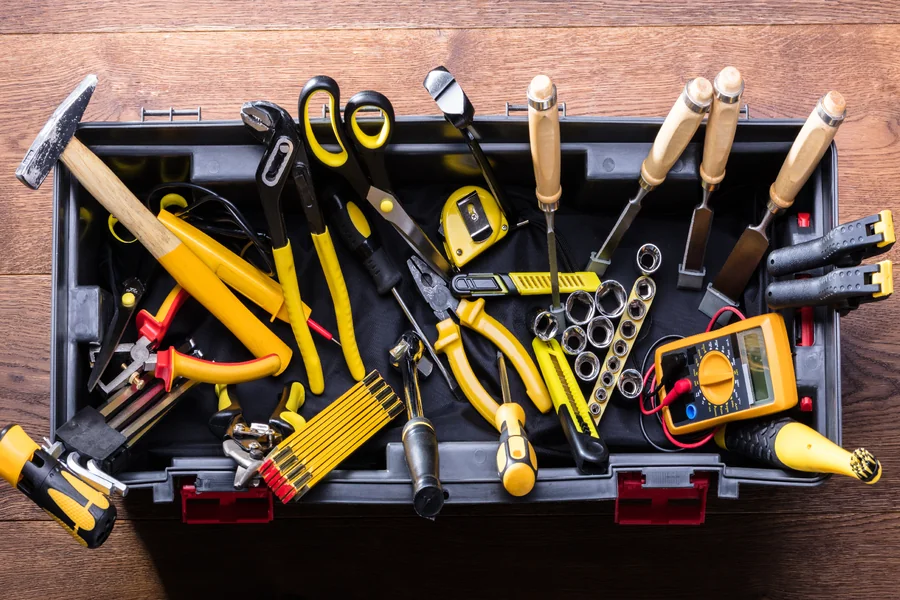
Choosing the best toolbox for your needs might sound simple at first—just pick a box for your tools, right? But in reality, the right choice can make your work faster, safer, and a lot less frustrating. Whether you’re doing basic home repairs, working in a garage, or handling professional tasks, the toolbox you choose should match your tools, your environment, and how often you use them.
A good toolbox is more than just storage. It protects your tools from damage, keeps them organized, and helps you find what you need quickly. Without proper organization, even high-quality tools can become hard to use. That’s why experienced DIYers and professionals treat a toolbox as part of their setup, not just an accessory.
Start with how you’ll use it
The most important step is thinking about your use case. A small home toolbox for occasional fixes is very different from what a mechanic or technician needs daily. For light use—like tightening screws, assembling furniture, or small repairs—a compact handheld toolbox is usually enough. It’s easy to carry and stores basic tools like screwdrivers, pliers, and a hammer.
If you’re doing more regular or complex projects, a medium-sized toolbox with compartments is a better fit. These often have removable trays or dividers, which help separate tools and small parts like nails or bits. This kind of setup reduces clutter and saves time during work.
For heavy or professional use, rolling tool chests or modular systems are more suitable. These are designed for large tool collections and frequent use, often with drawers, wheels, and locking systems for security and mobility.
Size matters more than people think
One of the most common mistakes is choosing a toolbox that’s too small. A box that fits your current tools perfectly will often become cramped as your collection grows. A good rule is to choose a toolbox with about 20% more space than you currently need.
At the same time, bigger isn’t always better. A huge toolbox can be difficult to move, store, or even organize properly if you don’t actually need the space. The ideal size is the one that balances capacity with convenience.
Think about your largest tools first—like drills or wrenches—and make sure they fit comfortably. Then consider how many smaller items you need to store and whether you want separate compartments.
Material choice affects durability and weight
Steel toolboxes are very strong and can handle heavy loads, making them popular for professional workshops. However, they are heavier and can rust if not maintained properly. Plastic (especially reinforced plastic) is lighter, resistant to rust, and more affordable, but may not handle extreme impact as well. Aluminum sits in the middle, offering a balance of strength and weight, but usually at a higher price. A lightweight aluminium toolbox is often preferred by users who need both portability and durability without unnecessary bulk.
If you plan to move your toolbox often, weight becomes a major factor. If it will stay in one place, durability may matter more than portability.
Organization is just as important as storage
A toolbox isn’t useful if everything inside is mixed together. Good organization features save time and reduce frustration. Look for trays, drawers, or adjustable dividers. Some toolboxes even include foam inserts or modular compartments so each tool has its own place.
This becomes especially important when working on projects that require many small parts. Without organization, you’ll spend more time searching than actually working.
Portability and handling
If you move your tools between locations, portability becomes critical. Handles should feel comfortable and strong enough to support weight. For larger toolboxes, wheels are a major advantage.
But not all wheels are equal—strong, smooth-rolling wheels make a big difference when moving heavy loads across uneven surfaces. Poor-quality wheels are one of the most common failure points in cheaper toolboxes.
Also consider whether you need a toolbox you can carry in one hand, roll across a garage, or mount in a vehicle. The way you transport it should directly influence the design you choose.
Security and protection
If your tools are valuable, security matters. Some toolboxes come with lockable latches or built-in locking systems. This helps prevent theft and also keeps tools from falling out during transport.
Protection from dust, moisture, and rust is another important factor. A toolbox with tight seals or durable construction will keep your tools in better condition for longer.
Final thoughts
Choosing the best toolbox comes down to matching it to your lifestyle and work habits. Think about how many tools you have, how often you use them, and where you’ll store or transport them.
A small portable box works well for basic home use, a compartmentalized medium box suits regular DIY projects, and a rolling or modular system is best for heavy-duty or professional environments.
If you get the balance right between size, durability, organization, and portability, your toolbox won’t just store your tools—it will make every job easier and more efficient. For more practical tips and useful resources, check out hebeos.com.
