

Is Gallbladder Surgery Dangerous? Understanding the Risks and Safety
Gallbladder surgery, also known as cholecystectomy, is one of the most commonly performed general surgical procedures in Singapore. It is typically recommended for patients suffering from gallstones or gallbladder inflammation, especially when symptoms such as abdominal pain, nausea, or recurrent digestive discomfort begin to affect daily life. Despite how routine the operation has become in modern surgical practice, many patients still feel anxious when they first hear that they may need surgery.
A major reason for this concern is the natural fear of “surgery risks” and possible complications. The idea of undergoing an operation, even a minimally invasive one, can feel overwhelming, and patients often worry about safety, recovery, and long-term effects. These concerns are valid and deserve clear, balanced information rather than assumptions or generalised reassurance.
The purpose of this article is to provide a straightforward explanation of the safety profile of gallbladder surgery, the actual risks involved, and what modern outcomes look like in today’s medical practice. Read more here https://drtansiongsan.com.sg/ to know what to expect from the procedure.
Gallbladder surgery, or cholecystectomy, is performed to remove the gallbladder, most commonly due to gallstones that cause pain, infection, or digestive problems. The gallbladder itself is a small organ that stores bile, a fluid that helps digest fats, but it is not essential for survival.
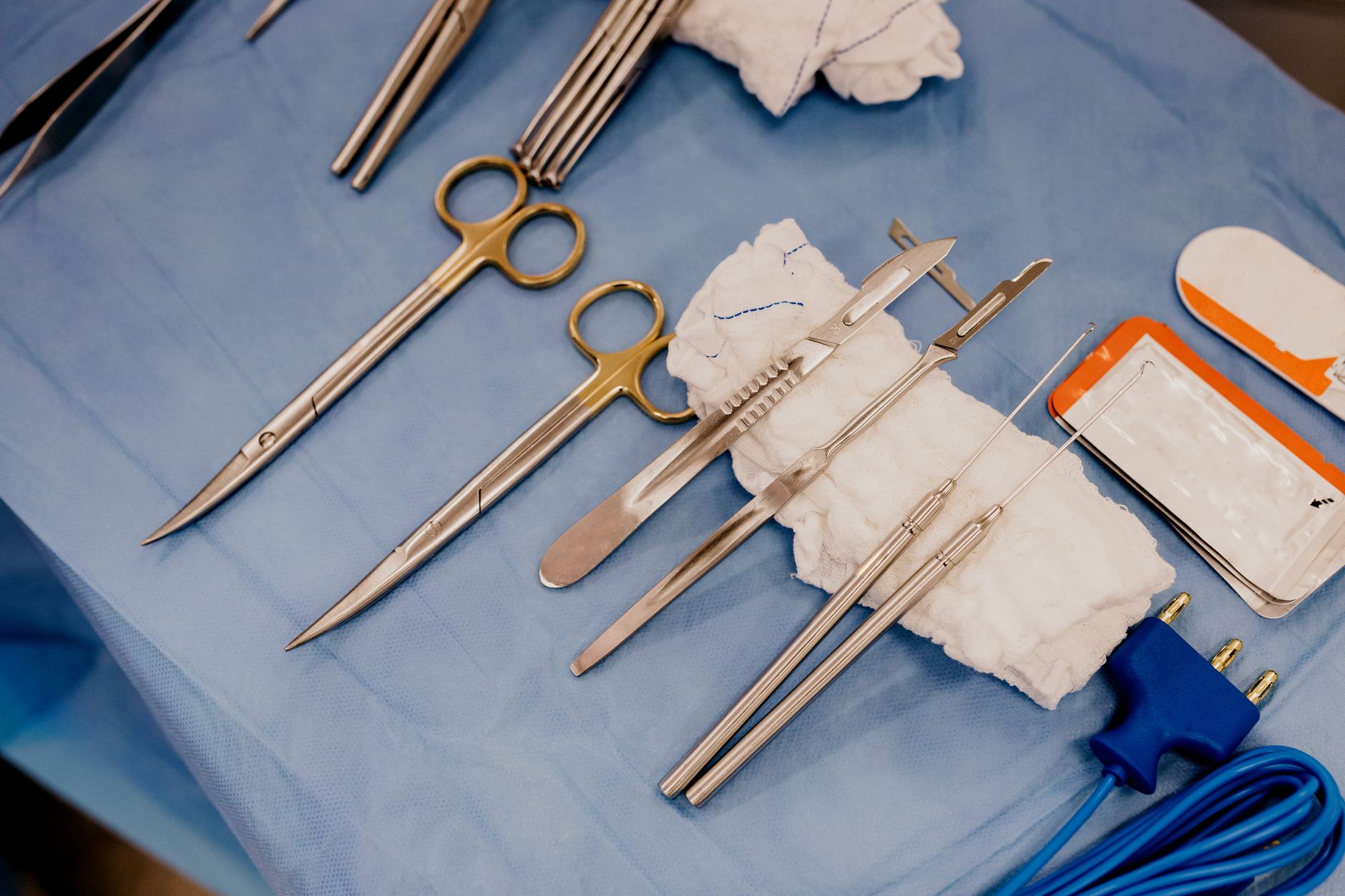
In most cases today, the procedure is done using a laparoscopic (keyhole) approach. This involves several small incisions in the abdomen through which a camera and specialised surgical instruments are inserted. The surgeon removes the gallbladder while viewing the internal structures on a screen, which allows for precise and minimally invasive surgery.
The operation is performed under general anaesthesia, meaning the patient is asleep and does not feel pain during the procedure. Depending on the case, it is often completed within one to two hours, and many patients can go home within the same day or after a short hospital stay.
Compared to traditional open surgery, the laparoscopic method generally results in smaller scars, less post-operative pain, and a faster recovery period, which is why it has become the standard approach for most gallbladder cases today.
How Safe Is Gallbladder Surgery Today?
Gallbladder surgery is considered a very safe and routine operation in modern surgical practice. In fact, it is one of the most commonly performed abdominal surgeries worldwide, and outcomes are generally excellent when done using current laparoscopic techniques.
Advances in minimally invasive (keyhole) surgery have significantly improved safety. Smaller incisions mean less tissue trauma, reduced blood loss, and a lower risk of infection compared to traditional open surgery. Improved imaging and surgical instruments also allow surgeons to operate with greater precision and control.
In most straightforward cases, the risk of serious complications is low. Many patients recover smoothly and are able to return to normal daily activities within a short period. However, as with any surgical procedure, safety also depends on factors such as the patient’s overall health, the severity of gallbladder disease, and whether the surgery is planned or performed urgently during an acute attack.
Possible Risks and Complications
Gallbladder surgery is generally safe, but like any operation, it carries some risks. Most are mild and temporary, while serious complications are rare.
Common or minor risks include:
- Mild wound infection
- Temporary pain or bloating
- Minor bleeding or bruising
Less common but more serious risks include:
- Bile duct injury (rare but important)
- Injury to nearby organs
- Anaesthesia-related complications
Overall, these risks are uncommon, especially in planned laparoscopic surgery performed in a controlled setting.
Factors That Influence Surgical Risk
The risk level of gallbladder surgery is not the same for every patient. It can vary depending on a combination of patient health, disease severity, and the timing of surgery.
Key patient-related factors include:
- Older age
- Obesity
- Diabetes or heart disease
- Previous abdominal surgeries
Disease-related factors also matter. For example, surgery done for an acute gallbladder infection is usually more complex than an elective procedure for stable gallstones. Timing is another important factor. Planned (elective) gallbladder surgery is generally safer than emergency surgery, as there is more time for proper preparation and assessment.
Recovery and What Patients Can Expect After Surgery
Recovery after gallbladder surgery is usually straightforward, especially with laparoscopic techniques. Most patients wake up comfortably after the procedure and are able to start walking within a few hours. Typical recovery includes:
- Same-day discharge or 1–2 days in hospital
- Mild abdominal pain or shoulder discomfort for a few days
- Gradual return to normal diet within a short period
- Resumption of light activities within about 1 week
Most patients are able to return to work and normal routines within 1–2 weeks, depending on the nature of their job and individual recovery. Heavy lifting and strenuous exercise are usually avoided for a short period to allow proper healing.
Long-term, most people live normally without significant dietary restrictions, as the body adapts to the absence of the gallbladder over time.
Conclusion
Gallbladder surgery is generally a safe and well-established procedure, especially when performed using modern laparoscopic techniques. While all surgery carries some level of risk, serious complications are uncommon, and most patients recover well with a short downtime.
Understanding the real risks, recovery process, and factors that influence outcomes can help patients feel more prepared and less anxious when considering treatment. To learn more or discuss whether gallbladder surgery is suitable for your condition, you can book a call with our clinic here:
Tan Siong San Surgery – Gallbladder | Liver | Pancreas Specialist Singapore
38 Irrawaddy Rd, #09-58 Mount Elizabeth Novena Specialist Centre, Singapore 329563 (Mount Elizabeth Novena Hospital)
Phone: +65 6970 8852
