

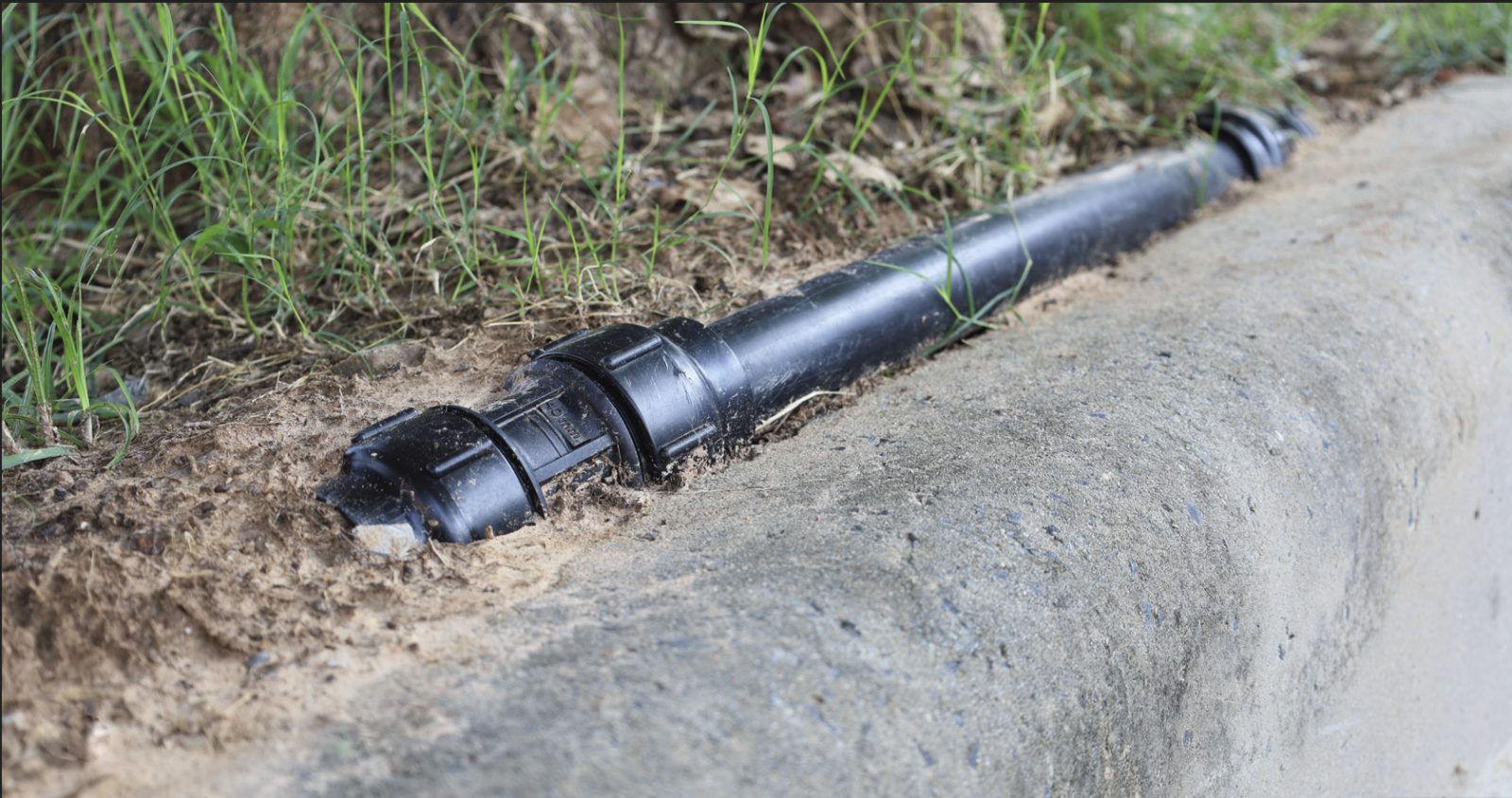
A properly functioning sewer line is one of those hidden systems that keeps your home running without interruption. But when issues arise, they begin quietly and then escalate if left unchecked. By learning how to spot warning signals, you can save time, reduce stress, avoid major repairs, and protect your property from avoidable damage.
In this article, we’ll share five clear indicators that your sewer line may need professional attention.
Slow Drains Throughout Your Home
One of the first and most common signs of sewer line trouble is slow drainage in different fixtures. While a single clogged sink or shower may point to a localized blockage, widespread slow drains often suggest a deeper issue within the main sewer line where buildup or even invasive tree roots restrict the natural flow of wastewater.
If water lingers in tubs or toilets despite repeated cleaning efforts, it’s a sign that the problem lies beyond the surface. Over time, buildup from grease and debris can restrict flow, making professional inspection necessary to identify whether the obstruction is caused by accumulated debris or structural damage within the sewer line itself.
Frequent and Unpleasant Odors Indoors or Outdoors
Persistent foul smells are another red flag that should not be ignored. When sewer gases escape due to cracks, leaks, misaligned joints, or blockages, they can create unpleasant odors inside bathrooms, basements, around foundation walls, or even outside near the yard. These smells are not only disruptive but can also indicate potential health hazards if left untreated.
A properly sealed and functioning sewer system should never emit noticeable odors, so if you detect them regularly, it’s time to call an expert to investigate the source.
Gurgling Sounds Coming from Pipes
Strange noises in your plumbing system often point to trapped air caused by blockages or improper venting. If you hear gurgling sounds when flushing toilets, running sinks, emptying dishwashers, or draining tubs, it may mean wastewater is struggling to move through the sewer line and is encountering resistance that prevents it from flowing freely.
These sounds are more than just an annoyance; they can be an early warning that pressure is building up in the system, which could eventually lead to backups or leaks. Addressing the issue promptly helps prevent more serious complications.
Sewage Backups or Water Pooling
Few problems are as alarming as sewage backing up into your home. Even small amounts of wastewater appearing in tubs, showers, laundry drains, or floor drains indicate a serious sewer line issue. Outside, pooling water or damp patches in the yard can also suggest a leak.
These situations require immediate professional attention, as they can cause property damage, unpleasant cleanup, serious plumbing failures, and potential health risks. A functioning sewer system should keep waste moving away from your home, not returning to it.
Unexplained Lawn or Landscape Changes
Sometimes sewer line problems reveal themselves in subtle ways outdoors. If you notice unusual lush patches of grass, sinkholes, uneven soil depressions, or persistent wet areas in your yard, it may be due to leaking wastewater underground.
Sewer leaks can quietly seep into the ground and act like an unintentional fertilizer, encouraging vegetation to grow in uneven patterns while at the same time weakening the stability of the soil beneath your yard. These changes are often overlooked until they worsen, but they are clear signs that your sewer line may be compromised and in need of repair.
Conclusion
Your sewer line is a critical part of your home’s infrastructure. Paying attention to early warning signs, like slow drains, foul odors, gurgling sounds, sewage backups, and unusual lawn changes, can prevent costly damage and protect your family’s health.
By acting quickly, you can ensure your sewer system continues to function properly and avoid the stress of unexpected emergencies.
