

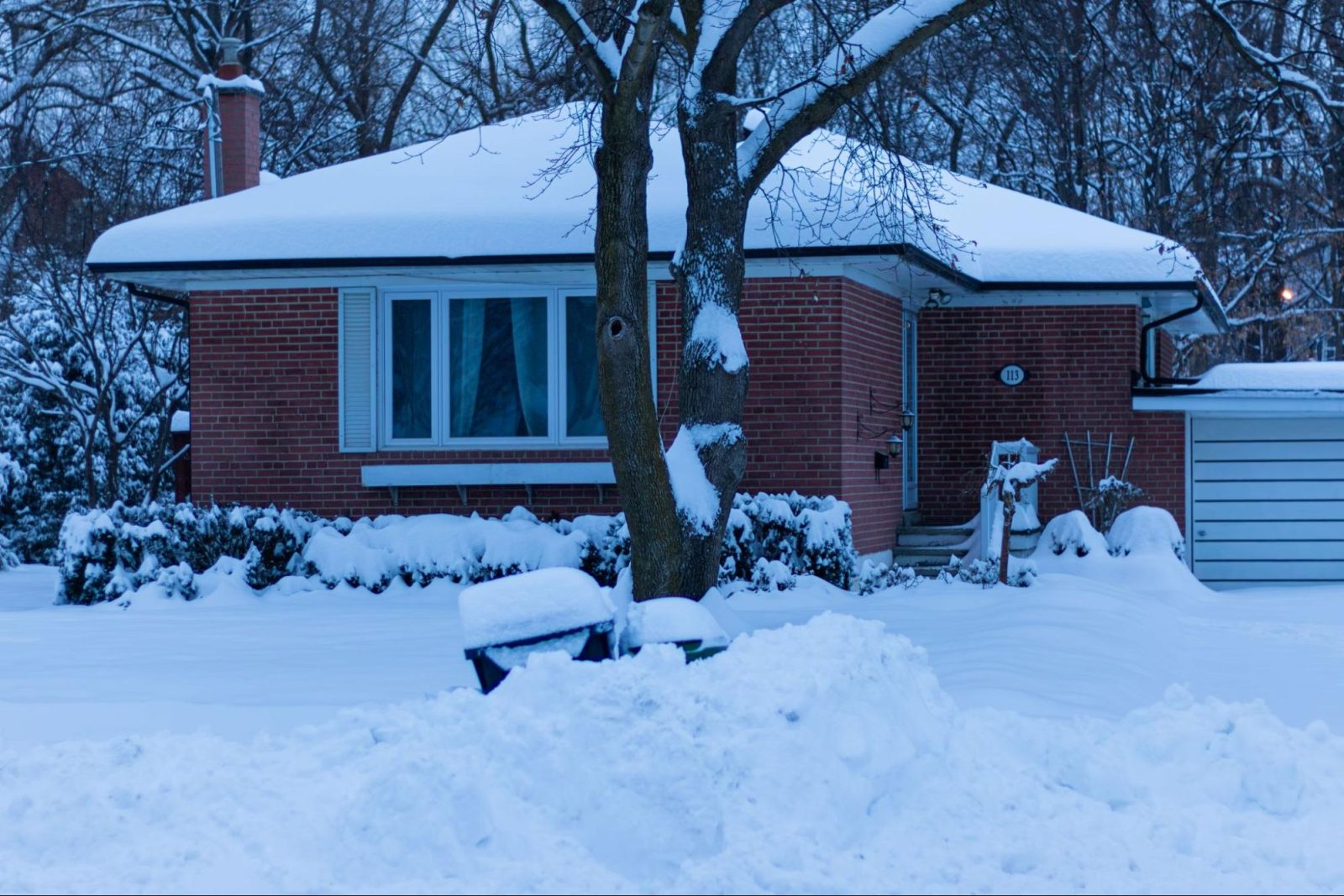
Winter brings freezing temperatures, heavy snow, and a sudden increase in indoor household activity. While most homeowners focus on insulating drafty windows or servicing furnaces, underground plumbing systems are often forgotten until a major plumbing crisis strikes.
When temperatures drop below freezing, the biological processes that break down household waste slow down significantly. Grease hardens instantly inside chilled pipes, while helpful bacteria struggle to digest solid materials in cold ground. Understanding these seasonal changes allows homeowners to adjust everyday habits before small plumbing issues turn into expensive emergency repairs.
Understanding Winter Wastewater Challenges
Cold ground temperatures alter the way liquids and solids move through buried plumbing lines. Household grease and fat that normally flow through warm pipes quickly solidify when exposed to icy soil, clinging to pipe walls and trapping paper debris that would otherwise pass through cleanly.
At the same time, the beneficial bacteria inside underground holding tanks enter a semi-dormant state because they need ambient warmth to digest organic material efficiently. As bacterial activity slows down, solid waste builds up much faster than normal. This rapid accumulation sets the stage for stubborn blockages and foul indoor backups that require professional intervention.
Frozen surface soil also blocks the natural release of sewer gases through the drainfield, forcing unpleasant odors back toward indoor drains. Saturated winter earth struggles to absorb outgoing liquid effluent as fast as warm summer ground, putting heavy extra strain on the entire septic system. Scheduling a preventative inspection before the deepest freeze sets in protects your property from messy and expensive cold-weather emergencies.
Monitoring Daily Water Usage
Holiday gatherings and cold weekends spent indoors naturally drive up household water consumption. Running multiple loads of laundry while operating dishwashers and taking back to back hot showers puts immense pressure on drainage systems. Excess water sweeps unseparated solids right out of primary holding chambers before those materials have adequate time to settle and break down properly.
Protecting Outdoor Plumbing Lines
Snow cover and freezing air cause the ground above main drainage lines to shift and freeze solid. Driving heavy vehicles or parking lawn equipment over frozen yards compresses the soil, which can crack buried pipes or push freezing cold deeper toward the lines.
Insulating exposed cleanout caps before the first deep freeze helps maintain stable temperatures inside main lines. Simple foam covers prevent frigid air from sinking straight into primary drainage channels. These small covers ensure that wastewater keeps moving freely even when outdoor temperatures plunge well below freezing.
Maintaining Proper Waste Disposal
Winter comfort foods involve heavy cooking oils, gravies, and rich meats that pose serious risks to household drains. Rinsing hot grease down kitchen sinks allows it to coat pipe walls, where it cools into a sticky barrier that catches everyday food particles. Scraping greasy pans directly into the garbage remains the single best defense against stubborn cold-weather blockages.
Scheduling Routine System Inspections
Proactive care remains the most reliable strategy for avoiding midwinter plumbing nightmares. Professional pumping and thorough septic tank maintenance before winter sets in to ensure that accumulated sludge levels stay low enough for weakened cold-weather bacteria to manage.
Catching minor issues during mild autumn weather prevents frozen ground from complicating necessary underground pipe repairs later on. Professional checkups also identify hidden cracks that might let freezing groundwater enter and overwhelm the system. Investing in early professional care keeps household drainage working smoothly all winter long.
Conclusion
Preventing winter sludge buildup requires a practical mix of smart daily habits and simple seasonal precautions. By watching water usage, throwing kitchen grease in the trash, and getting professional checkups before deep freezes arrive, homeowners can easily safeguard their property. Taking these simple steps guarantees a worry free winter with smooth, uninterrupted plumbing performance.
