

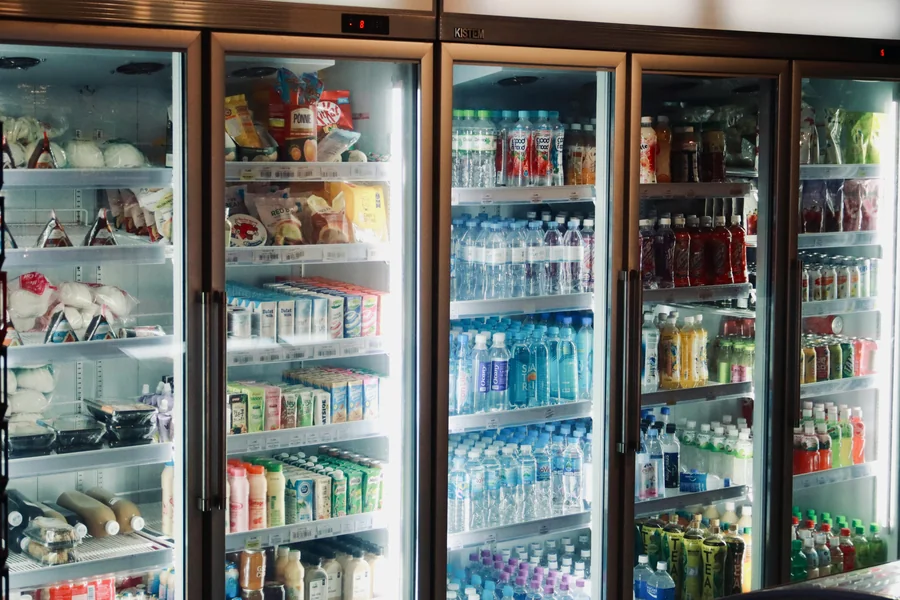
As the weather turns and spring arrives, most people think about refreshing their homes or gardens. For grocery store owners, however, the changing season brings a more practical set of priorities. This is the perfect time to inspect the equipment that keeps your inventory fresh and customers happy. Proactive care now can prevent a major headache when summer heat puts a strain on your cooling systems.
Display cases are the workhorses of retail, running twenty-four hours a day without a break. Because they are always on, it is easy to take them for granted until something stops working correctly. Spring cleaning for cooling is about more than just wiping down the glass or mopping the aisles. It requires diving into the mechanical health of your units to ensure every small component is ready for the high-demand months ahead.
Auditing Your Door Gaskets
The rubber seals around your reach-in doors, often called gaskets, are your first line of defense against rising energy costs. Over time, these seals can become brittle or lose their magnetic grip, allowing cold air to leak out. This forces your compressors to work twice as hard to maintain the proper temperature inside. Checking these seals every spring ensures you aren’t throwing money away through tiny gaps in the doorway.
If a door doesn’t stay shut or you see frost buildup around the edges, it is time for a replacement. Swapping out worn components is one of the simplest ways to keep your energy bills in check. High-quality Hussmann case parts are designed to fit perfectly and provide an airtight seal for your perishable goods. Staying on top of these small repairs extends the life of your entire refrigeration system.
Optimizing Internal Airflow Patterns
A refrigeration case depends on a specific “air curtain” to keep heat out and cold in. This curtain is created by fans that push air through a honeycomb-shaped mesh at the top or back of the unit. Over a few months, dust, debris, and small bits of packaging can clog these honeycombs or slow down the motors. If the air can’t move freely, products at the front of the shelf will warm up, leading to potential spoilage.
Spring is the ideal time to clear these obstructions and ensure your fans spin at the correct speed. Listen for strange grinding noises or vibrations, which are early warning signs that a motor is nearing its end. Keeping the airflow clear protects your food and prevents evaporator coils from icing over. When air moves smoothly, the entire case runs more efficiently and maintains a consistent temperature.
Inspecting Drainage and Moisture Systems
As humidity rises with spring rains, display cases work harder to remove moisture from the air. Every case uses a drain pan and tubes to carry away water that condenses on the cooling coils. If these drains clog with debris or buildup, water will back up and pool at the bottom of the unit. This creates a slip hazard and leads to odors that can turn customers away from your fresh inventory.
You should also inspect the heater wires running along the door frames and glass panels. These small elements prevent condensation from forming on the glass so customers can clearly see your products. If the glass stays foggy after a wipe, the heater wire has likely failed and needs replacement. Clear visibility is essential for sales, as shoppers are more likely to buy items they can see easily.
Refreshing Your Shelving Hardware
While mechanical parts are vital for cooling, the hardware inside the case affects the customer’s shopping experience. Shelves can become bent or rusted over time, making it difficult to stack products neatly. If a shelf isn’t level, items might slide or fall, creating a mess for your staff to clean. Checking the brackets and shelf supports every season ensures your displays look professional and stay safe for shoppers.
Spring is also a great time to replace cracked price tag holders or scratched trim pieces. These small aesthetic touches contribute to the overall “clean” feeling of your store. When the hardware is in good shape, the food looks more appetizing and the aisles feel more inviting. Taking pride in these details shows your customers that you care about quality and food safety.
Testing Lighting and Control Systems
Modern display cases rely on LED lighting and digital controllers to look great and run efficiently. Your spring audit should include a quick check for burnt-out bulbs or flickering light sections. Good lighting makes colors pop and draws the eye toward high-profit items like pre-cut fruits or specialty cheeses. If your lights are dim, products look unappealing, which directly impacts your bottom line.
Finally, check your digital thermometers and control boards to ensure they are reading accurately. You can use a handheld thermometer to verify that the screen matches the actual air temperature inside the case. If the readings are off, the unit might cycle on and off too frequently, wearing out the hardware prematurely. Ensuring your controls are calibrated correctly is the final step in a successful seasonal plan.
Conclusion
A successful spring maintenance routine is the best insurance policy for your refrigeration equipment. By inspecting gaskets, airflow, and hardware now, you avoid the stress of emergency repairs during the sweltering summer months. Your display cases are a massive investment that deserve the care required to keep them running at peak performance.
When your equipment is healthy, energy costs stay low, food stays fresh, and customers keep coming back. Start your seasonal checkup today to ensure your cooling systems are ready for whatever the year brings. Proper maintenance now ensures your business remains profitable and efficient all season long.
