

Understanding Car Maintenance
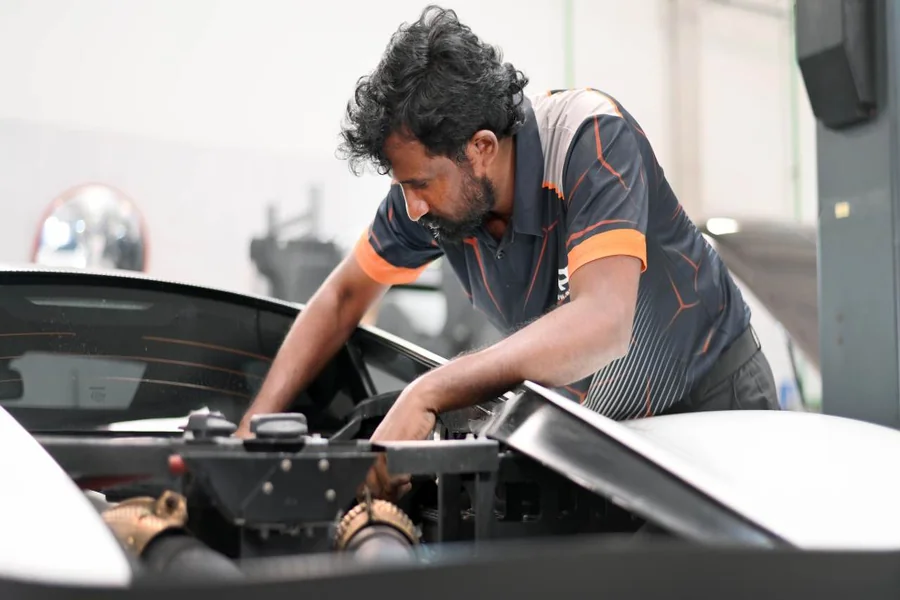
Car maintenance refers to the routine care, inspection, and servicing of a vehicle to keep it running safely and efficiently. It includes checking essential systems such as the engine, brakes, tires, fluids, and electrical components. Regular maintenance prevents breakdowns, improves performance, and extends the lifespan of the vehicle. It is also key to ensuring safety on the road and avoiding expensive repairs later.
Engine Care
Keeping the Heart of the Car Healthy
The engine is the most important part of any vehicle, and proper maintenance is essential for its longevity. Engine oil plays a major role by lubricating moving parts, reducing friction, and preventing overheating. Over time, oil becomes dirty and loses effectiveness, which is why regular oil changes are necessary. Replacing the oil filter at the same time helps keep the engine clean and running smoothly. Neglecting engine care can lead to serious mechanical damage and reduced performance.
Tire Maintenance
Ensuring Safety and Road Grip
Tires are the only contact point between the car and the road, making them crucial for safety and control. Maintaining correct air pressure improves fuel efficiency and ensures even wear. Underinflated tires can cause poor handling, while overinflated ones reduce grip. Rotating tires regularly helps extend their lifespan and maintain balance. Checking tread depth is also important because worn tires increase the risk of slipping, especially in wet conditions.
Brake System
Critical for Vehicle Safety
The braking system is one of the most important safety features in a car. Brake pads wear down over time due to friction and must be replaced when they become thin. Signs of brake issues include squeaking noises, vibrations, or reduced stopping power. Brake fluid also needs to be checked and replaced periodically, as it can absorb moisture and lose effectiveness. Well-maintained brakes ensure quick and reliable stopping, which is essential for safe driving.
Battery and Electrical System
Powering the Vehicle
The car battery supplies the electrical energy needed to start the engine and power electronic systems. Batteries typically last several years but can fail sooner due to extreme temperatures or frequent short trips. Warning signs of a weak battery include slow engine starts and dim headlights. Regular inspection of battery terminals helps prevent corrosion and connection issues. A properly functioning electrical system ensures reliability and convenience.
Fluids and Cooling System
Keeping Everything Running Smoothly
Modern cars rely on several essential fluids, including coolant, transmission fluid, brake fluid, and power steering fluid. Coolant prevents the engine from overheating, while transmission fluid ensures smooth gear shifting. Low or dirty fluids can cause serious damage if not addressed in time. Regularly checking and replacing these fluids according to manufacturer recommendations helps maintain overall vehicle health and prevents unexpected breakdowns.
Air Filters
Protecting Engine and Cabin Air Quality
Air filters prevent dust, dirt, and debris from entering the engine and cabin. A clean engine air filter improves fuel efficiency and performance by allowing proper airflow. The cabin air filter ensures that passengers breathe clean air inside the vehicle. Over time, both filters become clogged and need replacement. Ignoring them can lead to reduced engine performance and poor air quality inside the car.
Routine Inspections
Catching Problems Early
Regular inspections help identify small issues before they become major problems. Checking lights, windshield wipers, belts, and hoses can prevent unexpected failures. Worn wiper blades reduce visibility during rain, while damaged belts can affect engine performance. Routine visual checks are simple but highly effective in maintaining a reliable and safe vehicle.
Maintenance Records
Tracking Service History
Keeping a detailed record of all repairs and servicing is an important part of responsible car ownership. It helps ensure that maintenance schedules are followed properly and provides proof of care when selling the vehicle. Many drivers rely on a structured system such as a well-documented official logbook service, which records each inspection and service in detail. This not only improves organization but also increases the resale value of the car by showing a clear maintenance history.
Driving Habits
How Behavior Affects Car Health
Driving style has a major impact on vehicle wear and tear. Aggressive driving, such as sudden acceleration and hard braking, increases stress on the engine, brakes, and tires. Smooth and steady driving reduces fuel consumption and extends the life of key components. Avoiding potholes and rough terrain when possible also helps protect suspension and alignment systems.
Cleaning and Protection
Preserving Appearance and Value
Regular washing removes dirt, salt, and grime that can cause rust and corrosion over time. Waxing the car adds a protective layer to the paint and improves appearance. Cleaning the interior prevents dust buildup and keeps electronic systems functioning properly. A clean car not only looks better but also maintains its value longer.
Conclusion
The Importance of Consistent Care
Car maintenance is an ongoing responsibility that ensures safety, reliability, and efficiency. By regularly checking essential systems, replacing worn parts, and adopting good driving habits, owners can avoid costly repairs and extend the life of their vehicles. A well-maintained car performs better, lasts longer, and provides a safer driving experience overall.
