

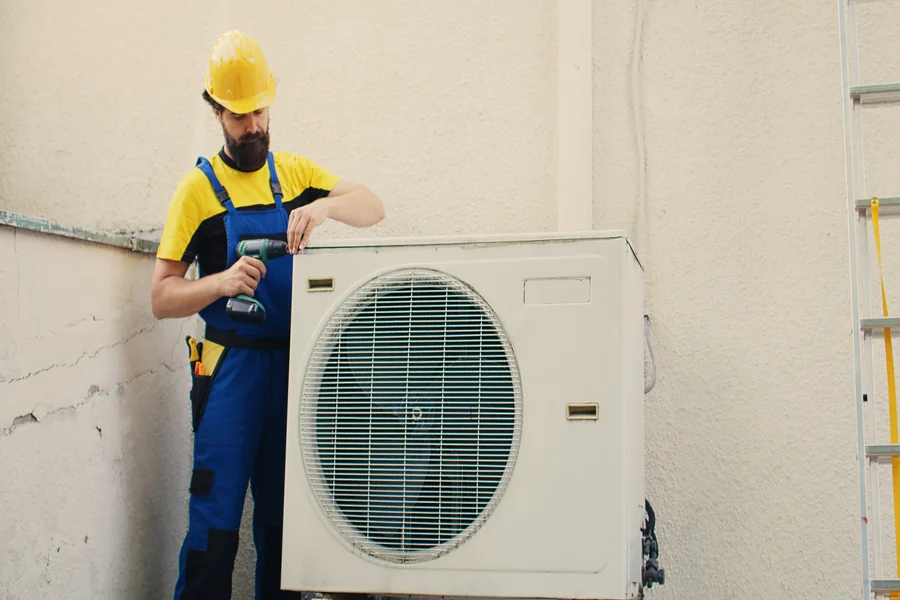
Maintaining a comfortable indoor environment throughout the year requires a heating and cooling system that adapts to changing outdoor temperatures. During colder months, homeowners need reliable warmth, whereas summer brings the challenge of keeping indoor spaces cool. Traditional HVAC systems often rely on separate equipment for these tasks, but heat pumps offer an efficient alternative.
Professional heat pump installation provides a practical way to regulate indoor temperatures throughout the seasons. By transferring heat instead of generating it directly, these systems support consistent comfort and efficient energy use. Understanding their benefits allows homeowners to determine whether a heat pump suits their property’s heating and cooling needs.
Maintaining Consistent Indoor Temperatures
Temperature fluctuations often disrupt indoor comfort, particularly when a heating or cooling system struggles to keep up with changing weather conditions. A properly installed heat pump supports more consistent temperatures by adjusting its operation to match the home’s heating or cooling demands.
Experienced HVAC technicians, such as those from Hines Brothers Mechanical, ensure the heat pump is installed according to the home’s layout and heating and cooling requirements. Proper equipment placement and accurate system sizing support consistent temperatures throughout the property, reducing uncomfortable hot and cold spots.
Improving Seasonal Energy Efficiency
Heating and cooling account for a significant portion of household energy consumption. Heat pumps offer an efficient approach because they move existing heat rather than relying solely on electricity or fuel to generate warmth. During colder weather, they transfer heat indoors. In warmer conditions, they reverse the process to move heat outside.
This operating method often results in lower energy consumption than conventional electric resistance heating. A properly selected and installed unit also supports efficient operation throughout the year, potentially lowering monthly utility expenses without sacrificing indoor comfort.
Enhancing Indoor Air Circulation
Uneven airflow often leaves certain rooms feeling stuffy or uncomfortable. Professional heat pump installation addresses this concern by accounting for the home’s layout, equipment placement, and air distribution requirements. For ducted systems, properly designed ductwork supports consistent airflow between rooms.
Homeowners with ductless mini-split systems also benefit from targeted temperature control in individual areas. Although a heat pump does not automatically eliminate indoor pollutants, appropriate filtration and regular maintenance support better indoor air management. Clean filters and unobstructed vents further contribute to reliable system performance.
Supporting More Comfortable Humidity Levels
Indoor humidity significantly influences how comfortable a home feels. Excess moisture often leaves rooms feeling sticky during warmer months, even when temperatures seem reasonable. Heat pumps operating in cooling mode remove some moisture from indoor air as part of the cooling process.
This dehumidification effect supports a more comfortable living environment during humid weather. However, the results depend on system sizing, operating conditions, and installation quality. An oversized unit may cool a room too quickly to remove sufficient moisture, which is why professional load calculations remain important.
Providing Flexible Heating and Cooling
Changing seasons often require homeowners to switch between heating and cooling equipment. A heat pump simplifies this process by providing both functions through a single system. With the appropriate controls, homeowners adjust indoor temperatures according to seasonal conditions without relying on separate primary heating and cooling units.
This flexibility also offers practical advantages for homes with limited mechanical space. Selecting a system that matches the property’s climate and comfort requirements ensures dependable performance throughout the year.
Reducing Unnecessary System Strain
Equipment that operates under unsuitable conditions often experiences unnecessary wear. Incorrect sizing, poor airflow, and improper refrigerant charging may reduce efficiency and contribute to premature component failure.
Professional heat pump installation addresses these concerns through careful equipment selection, correct setup, and performance testing. Routine maintenance after installation further supports reliable operation by keeping filters clean and allowing technicians to identify developing problems before they lead to costly repairs.
Heat pump installation offers homeowners an effective approach to maintaining year-round indoor comfort. From stabilizing temperatures to improving energy efficiency, a properly selected system supports a more comfortable living environment across changing seasons. Professional installation remains essential for managing humidity effectively and avoiding unnecessary equipment strain. By investing in the right heat pump and keeping it properly maintained, homeowners position their properties for lasting comfort and dependable heating and cooling performance.
