

More restaurants are paying closer attention to where their dairy comes from, and for good reason. Milk, cream, butter, and cheese show up in nearly every part of a menu, from morning coffee service to the final course of the evening.
As diners ask more questions about ingredients, restaurants are looking beyond standard distribution channels toward more direct connections with dairy producers. This article looks at what farm-to-table dairy sourcing involves and where different types of dairy products tend to come from.
Gelato Suppliers
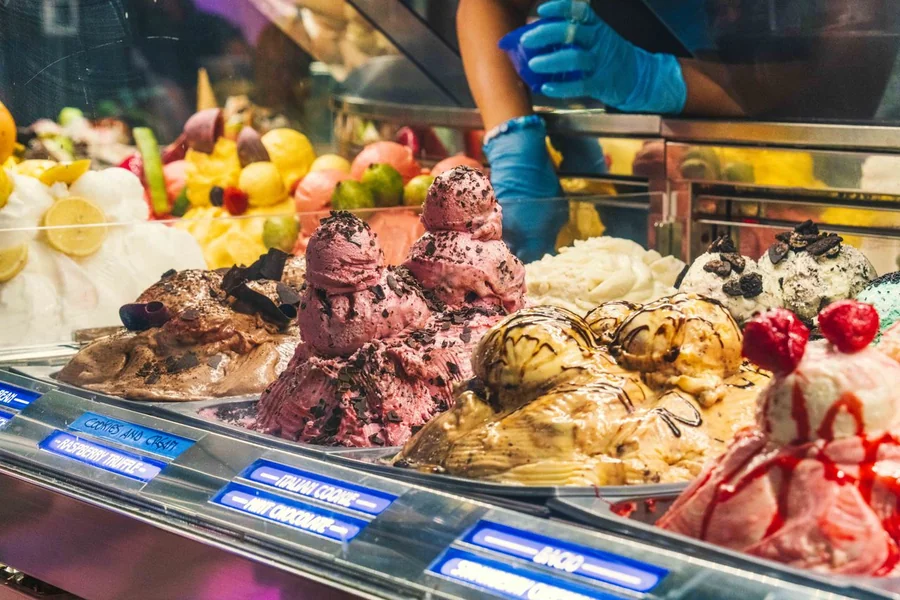
Gelato suppliers represent one of the more specialized categories within dairy sourcing, since gelato depends on a specific balance of milk and cream rather than the higher fat content typically used in traditional ice cream.
Restaurants that serve gelato often look for suppliers who understand this composition and can provide bases or finished products that hold their texture well in a display case. Some restaurants source gelato through regional dairy cooperatives; others work directly with production companies that specialize in gelato bases and flavor components.
Specialty food distributors, such as Angelo’s Italian Ice and Gelato, that focus on Italian or European dairy products are another common source, since they often carry ingredients suited specifically to gelato making.
Specialty Cheese and Yogurt Producers
Cheese and yogurt makers form another specialized branch of dairy sourcing, shaped by their own production methods in ways that differ from gelato suppliers.
Restaurants looking for artisan cheese often turn to small creameries or cheesemongers who focus on aging and culturing rather than high-volume output. Yogurt producers working in small batches follow a similar approach, prioritizing culture strains and fermentation time over speed. These producers can often be found through farmers markets or wholesale accounts set up directly with the creamery.
Artisan Creameries and Small-Batch Dairies
Small-batch creameries represent another part of farm-to-table dairy sourcing, often producing limited quantities of butter, cream, specialty milk, and small-batch yogurt. These operations tend to prioritize quality and consistency over large-scale output, which appeals to restaurants building a menu around distinct flavor profiles.
Sourcing from a creamery like this often means working within limited availability, since production volume rarely matches that of a large dairy processor. Restaurants that build relationships with these producers early often have an easier time securing consistent access as demand grows.
Goat and Sheep Dairy Suppliers
Goat and sheep dairy make up a smaller, more specialized part of the farm-to-table market compared to cow dairy sourcing. These animals produce milk with different fat structures and flavor profiles, which changes how cheese and yogurt made from it behave in a kitchen. Suppliers of goat and sheep dairy are often smaller operations, since the animals themselves produce far less volume than dairy cows.
Restaurants working with these suppliers usually need to plan menus around limited and seasonal availability.
Local Milk Delivery Services
Some farm-to-table restaurants source their base dairy, particularly fluid milk, through local delivery services rather than standard distribution routes.
These services often work with a small number of regional farms, bottling and delivering milk on a regular schedule directly to restaurant kitchens. This model can give restaurants clearer insight into where their milk originates, since fewer steps separate the farm from the kitchen. Availability through these services often depends on regional farm capacity, which can shift with weather and seasonal demand.
Frozen Dessert and Ice Cream Suppliers
Ice cream suppliers differ from gelato suppliers in the fat content and amount of air incorporated into the finished product, which results in a denser, richer texture.
Restaurants serving both gelato and traditional ice cream sometimes work with separate suppliers for each, since the production processes and equipment involved are not the same. Some suppliers offer both products, along with sorbet and other frozen desserts made without dairy.
Sourcing decisions here often come down to what a kitchen’s freezer case is designed to display and hold.
Farm-to-table dairy sourcing requires more from a restaurant than simply placing an order. It requires ongoing attention to where products come from and how different producers, from gelato suppliers to small creameries, fit into a kitchen’s needs. The effort involved varies.
What stays consistent is the value of understanding these connections clearly, since that understanding affects both the quality of what ends up on the plate and what a restaurant can communicate to customers about it.
