

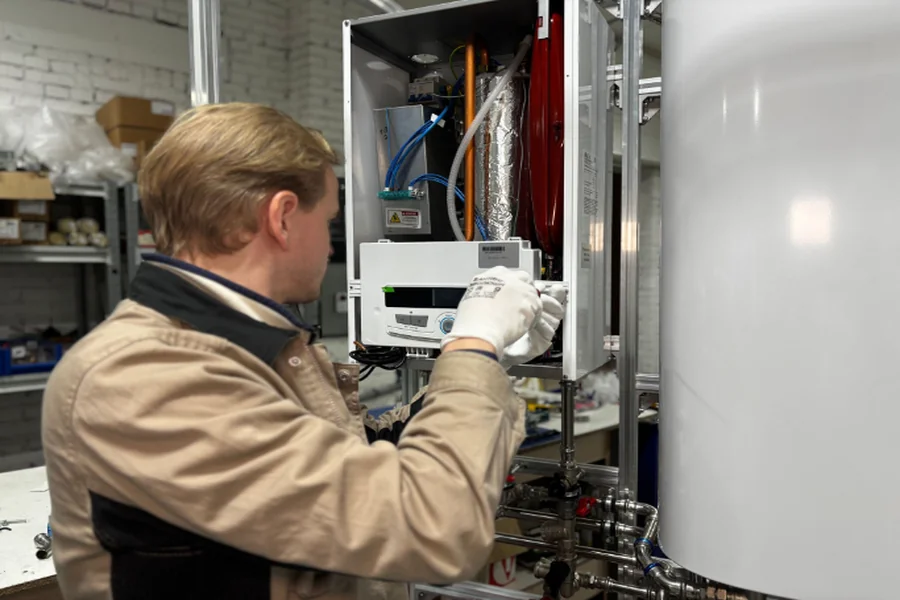
Understanding the Lifespan of Your Water Heater
A water heater is one of the hardest-working appliances in any home. From hot showers and laundry to dishwashing and everyday cleaning, it provides a steady supply of hot water that many homeowners rely on without giving it much thought. Like any appliance, however, a water heater has a limited lifespan. As it ages, its efficiency decreases, repairs become more frequent, and the risk of unexpected failure increases.
Knowing when to replace your water heater can help you avoid inconvenient breakdowns, improve energy efficiency, and ensure your household continues to enjoy reliable hot water. While there is no single replacement schedule that applies to every home, understanding the factors that affect your unit’s lifespan can help you make informed decisions.
The Average Life Expectancy of a Water Heater
Most traditional tank-style water heaters have an average lifespan of eight to twelve years. Tankless models often last longer, sometimes reaching fifteen to twenty years with proper maintenance. However, these estimates depend on several factors, including water quality, usage habits, installation quality, and regular maintenance.
A well-maintained water heater may continue operating efficiently beyond its expected lifespan, while one that receives little maintenance could require replacement much sooner. Keeping track of your unit’s age is one of the easiest ways to determine whether replacement should be considered.
If your water heater is approaching or exceeding its expected lifespan, it may be worthwhile to begin planning for a replacement before a complete failure occurs.
Pay Attention to Declining Performance
Age alone should not determine when to replace a water heater. Performance changes often provide valuable clues that the system is nearing the end of its service life.
If your hot water runs out much faster than it once did, takes longer to heat, or struggles to maintain a consistent temperature, the unit may be losing efficiency. These changes often indicate that important internal components have worn over time.
While some performance issues can be repaired, repeated problems may suggest that replacing the water heater is a more practical long-term solution.
Frequent Repairs Can Become Expensive
Every appliance occasionally requires repairs, but repeated service calls can become costly. If your water heater requires frequent repairs within a relatively short period, replacing the unit may ultimately save money.
Older water heaters often experience multiple component failures as they age. Repairing one issue may only postpone the next problem, resulting in ongoing maintenance expenses.
Evaluating repair costs alongside the age and condition of the system helps homeowners determine whether investing in a replacement offers better long-term value.
Rust and Corrosion Are Warning Signs
Corrosion is one of the clearest indicators that a water heater may need replacement. Rust appearing on the tank, around plumbing connections, or in the hot water itself may suggest internal deterioration.
Although replacing certain components may solve minor corrosion issues, rust affecting the storage tank itself usually cannot be repaired safely. Once the tank begins deteriorating internally, the likelihood of leaks increases significantly.
Replacing the water heater before major leaks occur helps protect your home from unnecessary water damage.
Watch for Leaks Around the Tank
Small amounts of condensation are normal under certain conditions, but standing water around the base of the water heater should never be ignored.
Leaks may result from loose fittings, faulty valves, or cracks developing within the tank itself. While some external plumbing issues are repairable, a leaking storage tank generally indicates that replacement is necessary.
Prompt action helps minimize property damage while ensuring continued access to reliable hot water.
Energy Efficiency Changes Over Time
As water heaters age, they often become less energy efficient. Sediment buildup inside the tank forces the system to work harder to heat water, increasing energy consumption while reducing overall performance.
Newer water heaters are typically designed with improved insulation, more efficient heating technology, and enhanced temperature controls that reduce operating costs. Replacing an outdated unit with a modern model may help lower utility bills while providing more consistent performance.
Improved efficiency also benefits households seeking to reduce overall energy usage.
Household Needs May Change
Sometimes a water heater replacement becomes necessary even if the existing unit still functions properly. Changes in household size or lifestyle may increase demand for hot water beyond what the current system can comfortably provide.
A growing family, home renovations, or additional bathrooms may require greater hot water capacity. In these situations, upgrading to a larger or more efficient system can improve comfort while meeting the home’s changing needs.
Choosing equipment that matches current household usage helps ensure a reliable hot water supply throughout the day.
The Importance of Professional Inspections
Regular inspections help homeowners identify developing problems before they become major failures. Qualified plumbing professionals can evaluate the condition of the water heater, inspect safety components, and recommend whether repairs or replacement would be the better option.
Professional assessments consider multiple factors, including the unit’s age, efficiency, visible wear, performance, and maintenance history. This comprehensive evaluation provides homeowners with valuable information for planning future upgrades.
Those interested in learning more about water heater care, maintenance recommendations, or replacement options can always find more information through qualified plumbing professionals and trusted educational resources.
Planning Ahead Prevents Emergencies
Waiting until a water heater completely fails often creates unnecessary inconvenience. Losing access to hot water unexpectedly can disrupt daily routines while requiring emergency replacement decisions.
Planning ahead allows homeowners to compare different models, evaluate energy-efficient options, and schedule installation at a convenient time. Replacing the unit before it reaches complete failure also reduces the risk of water damage caused by tank leaks.
A proactive approach makes the replacement process less stressful and allows for better long-term planning.
Making the Right Decision for Your Home
There is no exact timeline that determines when every water heater should be replaced, but paying attention to age, performance, repair frequency, corrosion, and efficiency can help homeowners recognize when replacement becomes the best option.
Routine maintenance and regular inspections may extend the life of a water heater, but no appliance lasts forever. Replacing an aging system before major problems develop helps improve reliability, reduce energy costs, and provide greater peace of mind.
By understanding the warning signs and planning ahead, homeowners can ensure they continue enjoying dependable hot water while avoiding the inconvenience and expense of an unexpected breakdown. A timely water heater replacement is not simply about replacing old equipment—it is an investment in the comfort, safety, and efficiency of your home.
