

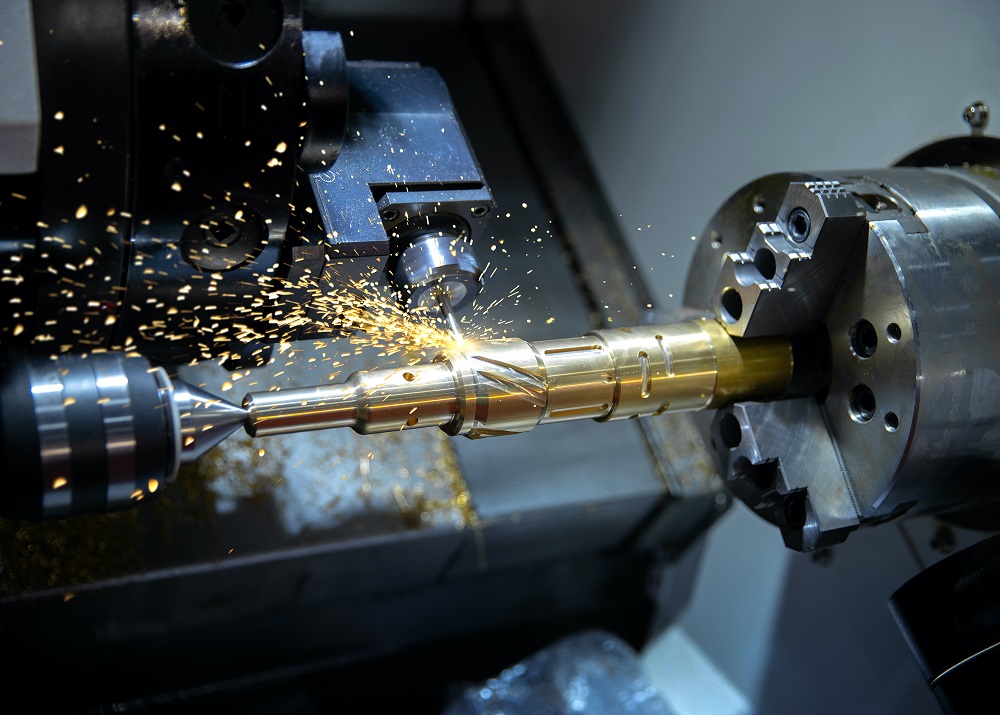
Precision boring is one of the most important processes in modern machining. Whether producing aerospace components or industrial equipment, manufacturers rely on boring systems to create accurate holes with excellent surface finishes. Achieving these results requires more than a cutting tool alone. A successful boring operation depends on a collection of carefully selected components that work together to maintain stability and efficiency throughout the machining process.
From the machine interface that secures the tooling to the cutting insert that removes material, every component has a specific role to play. Understanding how these elements function as a complete system can help manufacturers improve performance and achieve more consistent results. Let's take a closer look at the key components that make up a modern, boring system setup.
Machine Tool Interface
Every boring setup begins with a reliable connection between the machine and the tooling. The machine tool interface serves as this connection point that transfers power and rotational force from the spindle to the cutting system. While it may seem like a simple component, its stability has a direct impact on machining accuracy.
A secure interface also helps reduce unwanted movement that could affect hole quality during operation. Most modern machining centers often utilize advanced interface designs that support rigidity while allowing quick tool changes when needed. This combination of stability and efficiency helps keep production moving smoothly. As the foundation of the setup, the machine tool interface plays an important role in the performance of the entire boring system.
Tool Holders
Once the interface establishes a secure connection, tool holders provide the support needed to position boring tools accurately. Their primary responsibility is to keep the tooling stable while machining forces are applied. Even small amounts of movement can affect dimensional accuracy, which is why selecting the best tool holder is an important consideration.
In the current market, tool holders are available in a variety of configurations to suit different machining environments and tooling systems. Many manufacturers choose modular designs because they simplify setup changes and improve flexibility on the shop floor. Reliable tool holding also contributes to longer tool life by promoting consistent cutting conditions. By maintaining rigidity throughout the operation, tool holders help create a dependable machining process.
Boring Bars
Another critical component in any modern boring system is a boring bar, which also serves as the center of the cutting operation. Because boring often involves reaching deep inside a component, rigidity becomes especially important. Excessive vibration or deflection can negatively affect surface finish and overall productivity. For this reason, manufacturers carefully consider both the design and material of their boring bar.
In some applications, tungsten heavy alloy is used because its high density can help improve vibration-damping characteristics. It provides better stability that often leads to smoother cutting performance and more consistent machining results.
Boring and Facing Heads
Many machining applications require more than simple boring operations, which is where boring and facing heads become valuable. These versatile components allow machinists to perform both internal boring and facing operations using a single tooling assembly. Their adjustable design supports precise diameter control and fine-tuning during machining.
Modern systems often incorporate advanced adjustment mechanisms that help achieve tight tolerances with greater efficiency. Some manufacturing environments utilize NC boring heads because they can support automated adjustments within programmed machining processes. This capability helps improve consistency and reduce manual intervention. As production demands continue to increase, these systems can help manufacturers maintain accuracy while supporting efficient workflow management.
Cutting Inserts
Although every component contributes to the process, the cutting insert is the part that directly removes material from the workpiece. Insert selection can significantly influence machining performance and surface finish quality. Different geometries and grades are designed to handle specific materials and cutting conditions.
Modern insert technologies often include specialized coatings that improve wear resistance and heat management. Because inserts are replaceable, they provide a cost-effective way to maintain productivity without replacing the entire tool assembly. Proper insert selection also helps improve chip control, which can contribute to smoother machining operations. When matched correctly to the application, cutting inserts play a major role in achieving high-quality results.
Measurement and Adjustment Systems
Even the best tooling setup requires accurate measurement and adjustment to maintain precision. Measurement systems allow operators to verify dimensions and tool settings before and during machining operations. These checks help ensure that finished parts meet required specifications while minimizing the risk of costly errors.
Many modern boring systems now include digital adjustment features that simplify setup and improve accuracy. Some systems also provide real-time feedback, helping operators identify potential issues before they affect production. Consistent measurement practices support better quality control and reduced material waste. Together, these capabilities help manufacturers maintain the level of precision expected in today's competitive manufacturing environment.
Conclusion
Overall, modern boring systems are designed to support the consistency and efficiency that today's manufacturing environments demand. As machining requirements become more complex, understanding the components that contribute to successful boring operations can help manufacturers make more informed decisions.
A well-structured system allows each element to work together toward achieving accurate and reliable results. By recognizing the role of these components within the larger process, manufacturers can better support both current production needs and future operational goals.
