

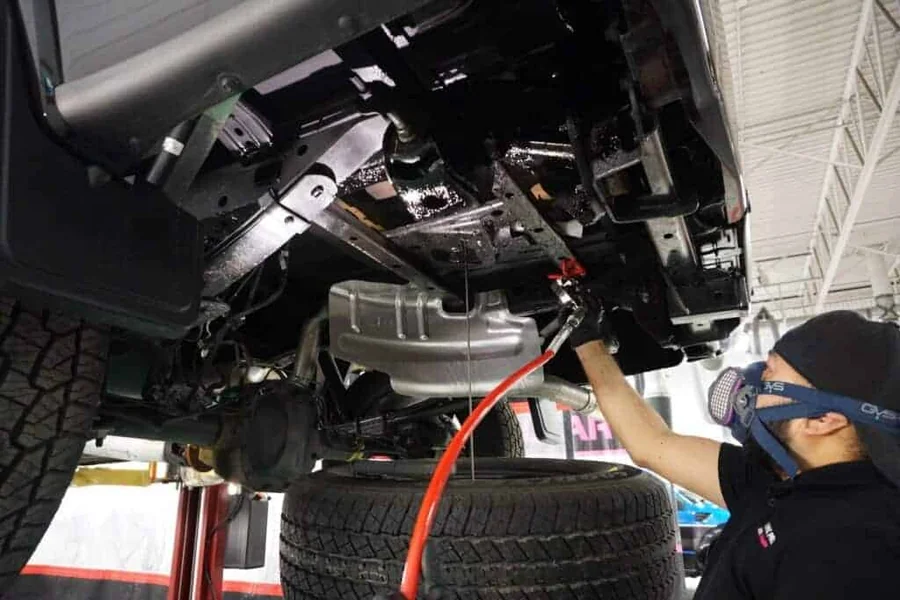
When people think about protecting their vehicles, they often focus on paint protection, regular oil changes, or interior care. Yet one of the most critical—and commonly overlooked—areas of a vehicle is hidden beneath it: the chassis. The chassis is the structural backbone of a vehicle, supporting the engine, suspension, drivetrain, and body. Because it is constantly exposed to water, dirt, salt, debris, and extreme temperatures, it is also highly vulnerable to corrosion and wear. Chassis coating plays a vital role in preserving this foundation, ensuring safety, longevity, and performance.
What Is a Chassis Coating?
A chassis coating is a protective layer applied to the underside and frame of a vehicle. Its primary purpose is to shield metal components from environmental damage, especially rust and corrosion. These coatings can be made from various materials, including rubberized compounds, wax-based products, epoxy, polyurethane, or asphalt-based coatings. Each type is designed to create a barrier between the metal surfaces and harmful elements like moisture, road salt, chemicals, and stone impacts.
Modern chassis coatings often provide more than just rust protection. Many also reduce noise, resist abrasion, and withstand extreme temperature changes. When applied correctly, a tough chassis coating can handle harsh road conditions while maintaining flexibility and long-term durability.
Why Chassis Protection Matters
Rust is more than a cosmetic issue. Over time, corrosion weakens metal, compromising the structural integrity of the chassis. This can lead to serious safety concerns, including reduced crash protection, weakened suspension mounting points, and costly repairs. In severe cases, excessive rust can render a vehicle unsafe or unroadworthy.
Vehicles driven in harsh climates are especially at risk. Areas with heavy rainfall, snow, or coastal air expose the chassis to constant moisture. In colder regions, road salt accelerates corrosion by breaking down protective metal surfaces. Even in dry climates, dust, sand, and debris can cause abrasion that strips away factory coatings, leaving metal exposed.
By applying a chassis coating, vehicle owners proactively defend against these threats. This protection not only improves safety but also helps maintain resale value. A well-preserved chassis signals that a vehicle has been properly cared for, which can be a major advantage when selling or trading it in.
Types of Chassis Coatings
There is no one-size-fits-all solution when it comes to chassis coatings. The best option depends on the vehicle type, driving conditions, and desired level of protection.
Rubberized coatings are popular for daily-driven vehicles. They form a flexible, impact-resistant layer that helps absorb small stone hits and reduce road noise. Wax- and oil-based coatings are commonly used for rust prevention, especially in older vehicles. They seep into seams and crevices, offering excellent corrosion resistance, though they may require periodic reapplication.
Epoxy and polyurethane coatings are more durable and are often used in restoration projects or heavy-duty applications. These coatings create a hard, long-lasting shell that resists chemicals, moisture, and abrasion. Asphalt-based coatings, typically found on factory underbodies, offer good protection at a lower cost but may crack over time if not maintained.
The Application Process
Proper application is just as important as choosing the right coating. The process typically begins with thoroughly cleaning the chassis to remove dirt, grease, and existing rust. Any corrosion should be treated or removed before coating, as sealing rust underneath can worsen the problem over time.
Once the surface is prepared, the coating is applied using a spray gun, brush, or aerosol, depending on the product. Multiple layers may be required to achieve optimal coverage and thickness. After application, the coating needs sufficient time to cure, forming a strong protective barrier.
Professional application ensures even coverage and proper surface preparation, but many products are also available for do-it-yourself enthusiasts. Regardless of the method, attention to detail is crucial to achieving long-lasting results.
Benefits Beyond Rust Protection
While rust prevention is the primary benefit, chassis coating offers several additional advantages. A coated underside is easier to clean, as dirt and grime are less likely to stick to protected surfaces. Many coatings also provide sound-deadening properties, reducing road noise and improving driving comfort.
For off-road vehicles, trucks, and SUVs, chassis coating adds an extra layer of defense against rocks, mud, and water encountered on rough terrain. In commercial or fleet vehicles, it helps reduce maintenance costs and downtime by protecting critical components from premature wear.
Maintenance and Longevity
Chassis coatings are not always permanent solutions. Depending on the product and driving conditions, periodic inspections and touch-ups may be necessary. Checking the underside during routine maintenance helps identify areas where the coating has worn thin or been damaged. Addressing these spots early prevents corrosion from spreading.
With proper care, a quality chassis coating can last for many years, providing continuous protection and peace of mind.
Conclusion
Chassis coating is an essential yet often underestimated aspect of vehicle care. By protecting the vehicle from the ground up, it safeguards structural integrity, enhances safety, and extends overall lifespan. Whether you drive a daily commuter, a classic car, or a rugged off-road vehicle, investing in chassis protection is a smart decision. In the long run, a well-protected chassis not only saves money on repairs but also ensures your vehicle remains reliable and roadworthy for years to come.
