

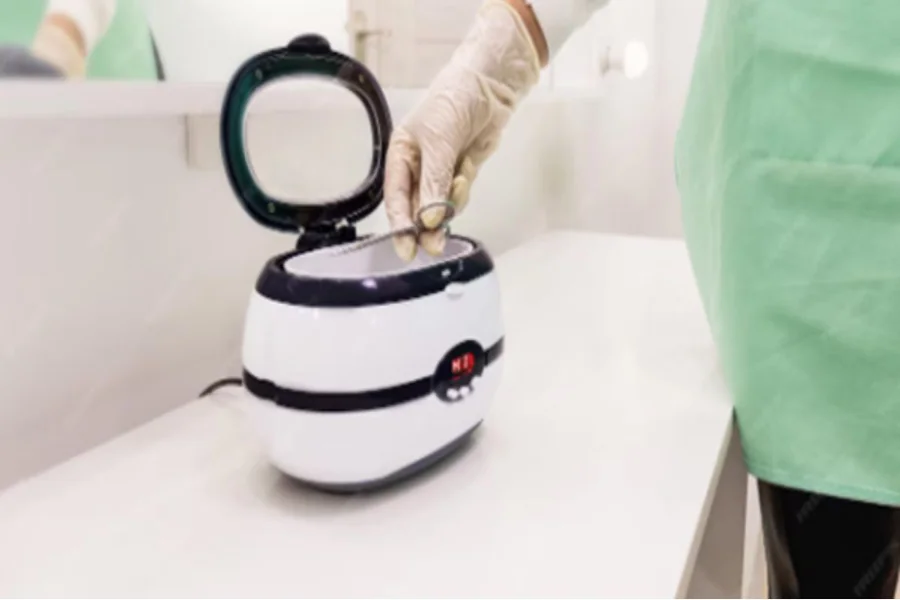
Medical ultrasonic cleaners are indispensable tools in modern healthcare and dental practices. These devices utilize ultrasonic waves to clean surgical instruments, dental tools, and other medical equipment efficiently, safely, and thoroughly. Understanding how to operate them correctly is crucial to maintain hygiene standards, prolong the life of instruments, and ensure patient safety.
What Is a Medical Ultrasonic Cleaner?
A medical ultrasonic cleaner is a specialized cleaning device that uses high-frequency sound waves to remove contaminants from medical instruments. Ultrasonic cleaners typically operate at frequencies between 20 kHz and 40 kHz. These waves create microscopic bubbles in a cleaning solution through a process called cavitation. When these bubbles collapse, they release energy that dislodges debris, blood, tissue, and other contaminants from instrument surfaces, including hard-to-reach areas like hinges, joints, and lumens.
Unlike manual cleaning, which can miss tiny crevices, ultrasonic cleaning ensures that instruments are sanitized more thoroughly, reducing the risk of infection transmission.
Key Components of a Medical Ultrasonic Cleaner
Understanding the parts of a medical ultrasonic cleaner helps users operate it effectively:
- Tank: Holds the cleaning solution and instruments. Stainless steel is commonly used due to its resistance to corrosion and ability to transmit ultrasonic waves effectively.
- Transducer: Converts electrical energy into ultrasonic waves. It is usually mounted on the bottom or sides of the tank.
- Control Panel: Allows operators to set time, temperature, and sometimes frequency. Modern units often include digital displays for precise control.
- Lid: Prevents splashing of cleaning solution and reduces noise during operation.
- Heating Element (optional): Many ultrasonic cleaners can heat the solution to enhance cleaning effectiveness.
Choosing the Right Cleaning Solution
The cleaning solution plays a critical role in the performance of an ultrasonic cleaner. Using water alone is usually insufficient. Enzymatic or neutral pH solutions are preferred because they break down organic matter without damaging instruments. Avoid solutions containing harsh acids or alkalis unless specifically recommended for the instruments being cleaned.
Always follow manufacturer recommendations for both the ultrasonic cleaner and the instruments, as improper solutions can lead to corrosion or reduced cleaning efficiency.
Step-by-Step Guide to Using a Medical Ultrasonic Cleaner
1. Preparation
Before using the cleaner, perform these preparatory steps:
- Inspect Instruments: Remove any visible debris manually. Although ultrasonic cleaning is effective, large debris can reduce efficiency and potentially damage the unit.
- Check the Cleaner: Ensure the tank is clean and free from old solution. Verify that the transducers and other components are functioning properly.
- Fill the Tank: Pour the cleaning solution into the tank to the recommended level. Avoid overfilling or underfilling, as both can reduce cleaning performance.
2. Loading Instruments
- Arrange Instruments Properly: Do not overcrowd the tank. Instruments should be placed in baskets or trays provided with the cleaner. Ensure that hinged instruments are open and lumens are unobstructed.
- Avoid Direct Contact: Instruments should not touch the tank’s bottom or each other, as this can reduce cavitation efficiency and potentially damage tools.
3. Setting Parameters
- Temperature: Most medical ultrasonic cleaners operate optimally at 40–60°C. Avoid exceeding the recommended temperature, as extreme heat can damage delicate instruments.
- Time: Cleaning cycles typically range from 3 to 10 minutes, depending on instrument type and level of contamination. Longer cycles are not always better and may lead to unnecessary wear.
- Frequency: Standard units operate around 40 kHz, which is suitable for most instruments. Lower frequencies are more aggressive and may be used for heavily soiled items, while higher frequencies are gentler and ideal for delicate instruments.
4. Operating the Cleaner
- Start the Cycle: Close the lid to reduce splashing and noise. Activate the unit according to the manufacturer’s instructions.
- Monitor the Process: Ensure the ultrasonic action is occurring, often visible as tiny bubbles or a gentle agitation in the solution.
5. Post-Cleaning
- Rinse Instruments: After cleaning, rinse instruments thoroughly with distilled or deionized water to remove residual cleaning solution.
- Dry Instruments: Use a lint-free cloth, air dryer, or medical-grade drying system. Moisture left on instruments can lead to corrosion or compromise sterilization.
- Inspect Instruments Again: Ensure all debris has been removed and check for any damage before proceeding to sterilization.
Safety Considerations
Medical ultrasonic cleaners are generally safe, but proper precautions are essential:
- Avoid Direct Contact: Never place your hands directly in the tank during operation. Cavitation can cause minor injuries over time.
- Use PPE: Wear gloves and eye protection when handling cleaning solutions.
- Follow Electrical Safety Guidelines: Ensure the unit is grounded and used in a dry environment.
- Proper Disposal: Dispose of used cleaning solutions according to local regulations. Some solutions may contain biological contaminants or chemicals that require safe handling.
Advantages of Ultrasonic Cleaning
- Efficiency: Ultrasonic cleaners clean instruments faster than manual scrubbing.
- Thoroughness: They remove contaminants from areas that are difficult to reach manually.
- Reduced Instrument Wear: Proper use minimizes mechanical stress compared to aggressive manual cleaning.
- Infection Control: More consistent cleaning reduces the risk of cross-contamination and healthcare-associated infections.
Common Problems and Troubleshooting
- Inadequate Cleaning: Often caused by overcrowding, incorrect solution, or low temperature.
- Noise or Vibration: Check for loose transducers or insufficient solution levels.
- Corrosion or Damage: Usually due to harsh chemicals or prolonged exposure to high temperatures.
- Unit Not Operating: Verify power supply, circuit breakers, and user settings.
Maintenance Tips
- Daily: Empty and clean the tank after each cycle.
- Weekly: Inspect transducers and check for mineral buildup.
- Monthly: Calibrate temperature and frequency settings if possible.
- Annually: Perform a professional service check to ensure the unit functions optimally.
Conclusion
Medical ultrasonic cleaners are essential for modern medical and dental practices. They provide a fast, efficient, and safe way to clean instruments, ensuring patient safety and prolonging the life of expensive tools. Correct use, proper maintenance, and adherence to manufacturer guidelines are key to maximizing the benefits of ultrasonic cleaning.
By following the steps outlined above, healthcare professionals can maintain high hygiene standards, prevent instrument damage, and reduce the risk of infection. In a field where cleanliness is non-negotiable, ultrasonic cleaners are not just a convenience—they are a critical part of safe and effective patient care.
