

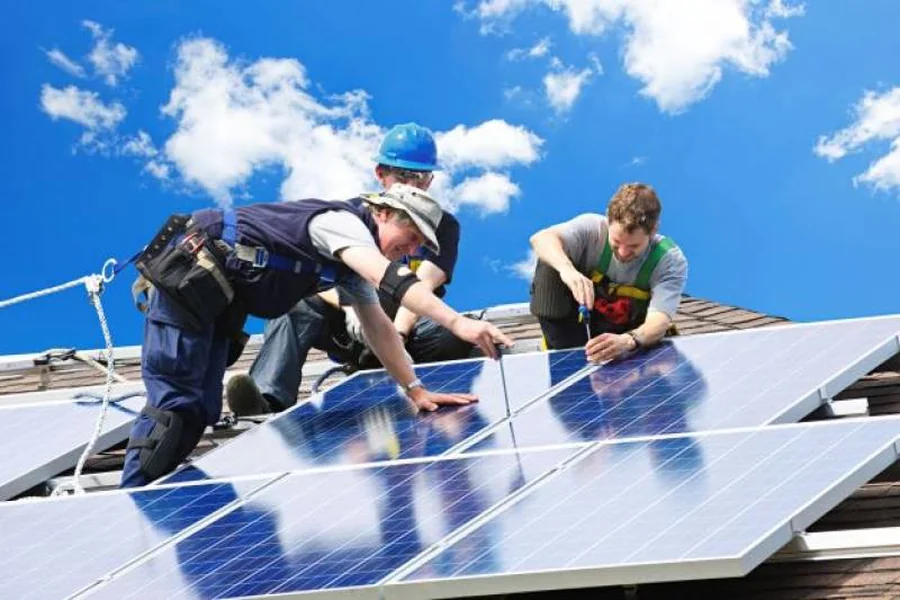
If your current solar power system isn’t meeting your energy needs, you’re likely wondering what your options are for adding more panels and increasing your solar output. This can be a great way to further reduce your reliance on the grid, but there are several important factors you need to keep in mind if you want to ensure the expansion is successful and cost-effective for you. Keep reading to learn what considerations you’ll need to keep in mind.
Your System’s Current Capacity
Before you expand, carefully consider the current system’s capacity and limitations. Check how much additional energy you actually need; this is usually best done using your most recent utility bills, which will allow you to see just how much energy you’re still pulling from the grid each month. It’s also important to review your inverter’s size and whether or not it can support more solar panels. If the inverter is already working at or near its maximum capacity, you may need to upgrade or add a second inverter.
Available Roof Space
Next, you’ll need to decide if your rooftop actually has the physical space to accommodate more panels. This includes evaluating the orientation, angle, and shading of the available roof space; adding more panels doesn’t do much good if they’re constantly being shaded by your giant oak tree. If more rooftop space isn’t available, you can consider a ground-mounted system, or consider adding panels to another structure like a shed or carport.
Equipment Compatibility
New panels and system components should be compatible with your existing setup. Mixing panel brands, sizes, or technologies can cause performance issues, so be very careful when choosing which panels you want to add to your system. Similarly, new inverters or batteries must match the characteristics of the current system to work efficiently and safely. It’s best to speak to a solar expert to get help deciding what equipment to add to your system.
Electrical Panel and Grid Interconnection
An expanded system may produce more power than your current electrical panel or grid connection can handle. You may need to upgrade your main service panel or get approval from your utility provider for the increased power output. Check local net metering rules as well—some utilities cap the total size of solar systems eligible for credits.
Ultimately, expanding a solar power system is not something to be done as a DIY project. Even with existing equipment and connections, it’s not a job for an amateur. You should speak to a solar expert about how much you can and should expand your system, and get advice on which Phono solar panels for sale will work best with your existing equipment.
