

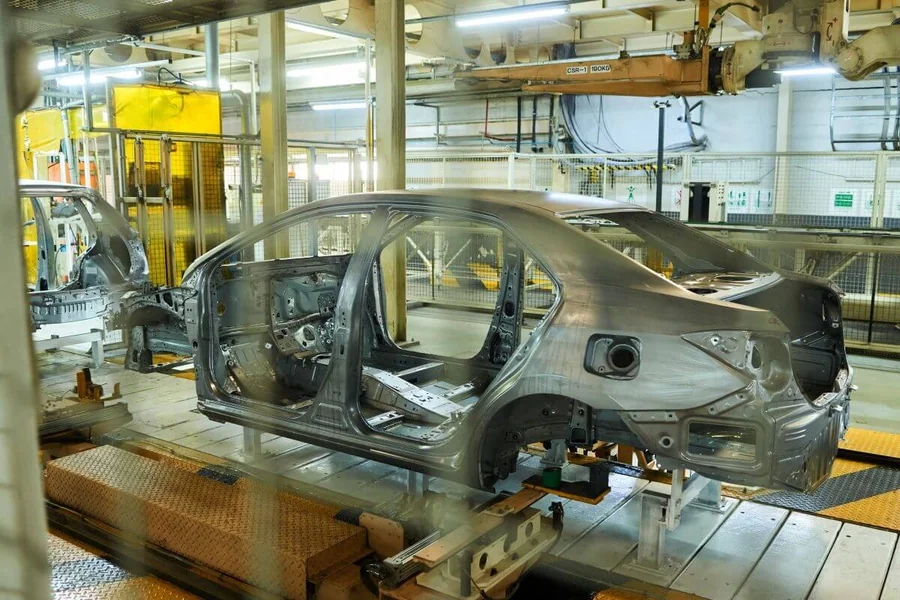
In the automotive industry, the chassis and suspension system form the backbone of vehicle performance, safety, and comfort. While engines and electronics often steal the spotlight, it is the suspension system that directly influences how a vehicle interacts with the road and responds to driving conditions. The chassis suspension system plays a critical role in ensuring stability, handling, ride comfort, and overall vehicle longevity, making it an indispensable component of modern automobiles.
Understanding Chassis Suspension
At its core, a chassis suspension system consists of a combination of springs, shock absorbers, control arms, and linkages that connect the vehicle’s wheels to the main body. Its primary function is to absorb shocks from road irregularities, maintain tire contact with the road, and distribute vehicle weight efficiently during acceleration, braking, and cornering. Essentially, the suspension system acts as a buffer between the vehicle’s occupants and the road, smoothing out the ride while maintaining control and safety.
Enhancing Vehicle Safety
Safety is one of the most critical aspects of any vehicle, and suspension systems play a direct role in it. A well-designed suspension ensures that the tires maintain maximum contact with the road surface, which is crucial for traction and braking efficiency. When a vehicle hits a pothole or uneven surface, the suspension absorbs the impact, preventing the chassis from excessive movement that could destabilize the car.
For example, during emergency braking or sudden maneuvers, a properly tuned suspension system helps prevent excessive body roll, understeer, or oversteer. This ensures the vehicle remains stable, reducing the risk of accidents. In addition, modern suspension systems such as adaptive or active suspensions can dynamically adjust damping rates in real-time, further enhancing safety in unpredictable driving conditions.
Improving Ride Comfort
Beyond safety, chassis suspension is central to ride comfort, which is a significant factor in consumer preference. Road imperfections like bumps, potholes, or rough terrain can cause discomfort and fatigue during long drives. The suspension system absorbs these shocks, ensuring that passengers experience a smooth and controlled ride.
Automotive manufacturers often fine-tune suspension setups to achieve a balance between comfort and performance. Luxury vehicles, for instance, use advanced air suspension systems to provide a cushioned, almost floating ride experience, while sports cars employ stiffer setups to ensure precise handling without sacrificing too much comfort. In both cases, the suspension system determines how passengers perceive the quality and refinement of the vehicle.
Enhancing Vehicle Handling and Performance
Chassis suspension is not only about comfort—it directly impacts vehicle handling and performance. Performance-oriented vehicles rely heavily on sophisticated suspension systems to maximize grip, cornering stability, and responsiveness. A stiffer suspension reduces body roll during aggressive turns, improving control and driver confidence. Meanwhile, independent suspension systems allow each wheel to respond individually to road irregularities, maintaining traction and enhancing agility.
Even everyday vehicles benefit from well-designed suspension systems. Properly tuned suspension allows for smoother lane changes, better cornering, and more predictable responses to steering inputs. This improves overall driving experience and minimizes driver fatigue, which indirectly contributes to safer driving habits.
Supporting Load Distribution and Vehicle Longevity
The suspension system also plays a key role in distributing vehicle weight effectively across all wheels. This is particularly important for trucks, SUVs, and vehicles carrying heavy loads. Uneven weight distribution can lead to premature tire wear, increased stress on components, and compromised handling. Suspension components like springs and anti-roll bars help maintain balanced weight distribution, ensuring that the vehicle remains stable under varying load conditions.
Moreover, by absorbing road shocks, the suspension system protects other critical components of the vehicle, such as the chassis, drivetrain, and body panels, from excessive wear and tear. This not only extends the lifespan of the vehicle but also reduces maintenance costs over time, highlighting the economic importance of a robust suspension system.
Innovations in Suspension Technology
The automotive industry continues to innovate in suspension technology to meet increasing demands for safety, comfort, and performance. Active suspension systems, for example, use sensors and actuators to continuously adjust damping characteristics in response to driving conditions. Magnetic ride control and air suspension systems are increasingly common in high-end vehicles, allowing drivers to switch between comfort and sport modes at the touch of a button.
Electric and autonomous vehicles also rely heavily on advanced suspension systems. Smooth ride quality is essential for passenger comfort in self-driving cars, where occupants may be engaged in activities other than driving. Similarly, electric vehicles, with their heavy battery packs, require suspension systems designed to handle unique weight distributions without compromising handling or safety.
Environmental and Economic Considerations
Beyond performance, suspension systems also have environmental and economic implications. A well-tuned suspension improves fuel efficiency by reducing rolling resistance and ensuring consistent tire contact. This is particularly relevant as automakers focus on reducing emissions and improving the energy efficiency of vehicles. Additionally, durable suspension systems reduce the need for frequent repairs, lowering the overall cost of ownership and minimizing waste from component replacement.
Conclusion
The chassis suspension system is far more than just a set of springs and shock absorbers; it is a complex network that directly affects safety, comfort, performance, and vehicle longevity. From absorbing road shocks and maintaining tire contact to enhancing handling and supporting load distribution, suspension systems are central to the modern driving experience.
As the automotive industry evolves with electric and autonomous vehicles, the importance of advanced suspension technology continues to grow. Manufacturers who prioritize suspension innovation not only improve passenger safety and comfort but also enhance overall vehicle performance and efficiency. In essence, the chassis suspension system remains a cornerstone of automotive engineering, proving that even the most sophisticated engines and electronics cannot compensate for poor suspension design.
