

According to recent studies, the global warehouse automation market is projected to reach $30 billion by 2027, driven by a 20% annual increase in e-commerce demand and the need for faster, more accurate order fulfillment. Additionally, workplace injuries related to manual material handling account for nearly 33% of all warehouse accidents, highlighting the urgent need for efficient and safe solutions. In this high-pressure environment, modern warehouses must adopt innovative strategies and equipment to streamline the movement, storage, and management of goods while maintaining productivity and safety. From forklifts and conveyors to automated systems, the right material handling solutions can dramatically reduce costs, improve efficiency, and protect workers.
The Importance of Efficient Material Handling
Material handling encompasses all activities involved in moving, storing, controlling, and protecting materials throughout the supply chain. Inefficient handling can lead to bottlenecks, damaged products, higher labor costs, and workplace injuries. According to industry studies, warehouses that optimize their material handling processes can see productivity gains of 20-30%, along with a notable reduction in operational errors and safety incidents.
Efficiency is not just about speed; it also involves precision and flexibility. Warehouses today must manage a variety of products, ranging from bulk raw materials to small, fragile items. Efficient handling systems allow operations to adapt quickly to changing demands, seasonal peaks, or new inventory requirements.
Key Material Handling Equipment
Modern warehouses rely on a mix of mechanical, automated, and semi-automated equipment to move goods effectively. Here are some of the essential solutions:
1. Forklifts and Pallet Trucks
Forklifts remain a staple in warehouse operations, providing quick lifting and transportation of pallets and large loads. Pallet trucks, both manual and electric, are ideal for short-distance movement within storage areas, reducing the need for manual labor. These tools are particularly useful for high-volume warehouses where goods must be moved quickly between docking stations, storage racks, and packing areas.
2. Conveyor Systems
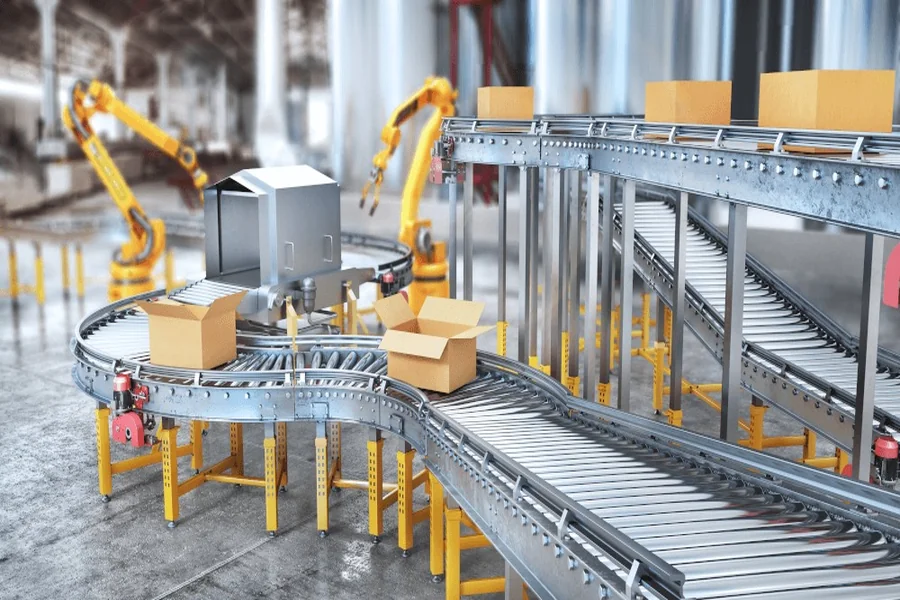
Conveyor belts are an effective way to transport goods continuously over fixed paths, reducing the reliance on manual labor and speeding up workflow. They are particularly advantageous in distribution centers and e-commerce warehouses, where thousands of packages must be sorted and moved daily. Conveyors can also integrate with automated sorting systems, creating a seamless flow from receiving to shipping.
3. Automated Storage and Retrieval Systems (AS/RS)
AS/RS solutions use computer-controlled systems to store and retrieve products in high-density storage environments. These systems minimize the need for floor space, improve inventory accuracy, and reduce handling times. They are particularly beneficial in warehouses managing small, high-value items or products with frequent turnover, as they allow for rapid access and reduced human error.
4. Industrial Handling Carts and Electric Tug Systems
While forklifts and conveyors handle bulk movement, industrial handling carts and electric tug systems excel at moving heavy or bulky loads horizontally across warehouse floors. These devices allow operators to tow multiple carts at once, reducing the number of trips required and minimizing physical strain. Powerful tow tugs, in particular, are increasingly popular in large warehouses because they can efficiently move several heavy carts simultaneously, boosting productivity while reducing fatigue and injury risk. By replacing manual pushing and pulling, they enhance safety, efficiency, and overall productivity in warehouse operations.
5. Robotic Solutions
The rise of robotics has transformed material handling in warehouses. Autonomous mobile robots (AMRs) can navigate warehouse floors independently, transporting items from storage to packing stations. Collaborative robots (cobots) work alongside human operators, assisting with picking, packing, and transporting goods. Robotics solutions not only improve efficiency but also reduce workplace injuries and labor costs.
Safety Considerations
Efficient material handling is inseparable from safety. Warehouse injuries often occur during lifting, pushing, or moving heavy loads, so investing in proper equipment and training is essential. Tools such as pallet jacks, electric tugs, and automated systems reduce the risk of strains and accidents by minimizing manual handling.
Additionally, safety protocols like clearly marked pathways, load capacity guidelines, and regular equipment maintenance ensure a safer working environment. Modern warehouses also implement sensors, warning systems, and ergonomic designs in handling equipment to prevent collisions and accidents.
Benefits of Efficient Material Handling
Implementing efficient material handling solutions provides multiple advantages:
- Increased Productivity: Automation and specialized equipment allow faster movement of goods with fewer errors.
- Reduced Labor Costs: Mechanized and automated systems reduce the need for manual labor, allowing workers to focus on higher-value tasks.
- Improved Accuracy: Automated storage and retrieval systems, along with proper tracking technology, ensure inventory accuracy and prevent loss or misplacement of items.
- Enhanced Safety: Reducing manual lifting, pushing, and handling of heavy loads significantly lowers the risk of workplace injuries.
- Scalability: Efficient handling systems can be adjusted or expanded to meet seasonal or long-term growth in warehouse operations.
Choosing the Right Material Handling Solutions
Selecting the appropriate equipment depends on several factors:
- Warehouse Size and Layout: Large warehouses may benefit more from conveyor systems and robotic solutions, while smaller facilities may rely on forklifts and tug systems.
- Type of Goods: Heavy, bulky, or fragile products require different handling equipment than small, uniform items.
- Volume and Frequency of Movement: High-volume warehouses require solutions that can sustain continuous operations without bottlenecks.
- Labor Availability: Automated systems may reduce reliance on manual labor, while semi-automated tools can enhance the efficiency of existing staff.
Many warehouse managers collaborate with well-known material handling suppliers to assess their operations and design custom solutions that integrate multiple technologies for maximum efficiency. These suppliers offer expertise in matching equipment to operational needs, ensuring optimal return on investment.
Future Trends in Warehouse Material Handling
The future of warehouse material handling lies in automation, artificial intelligence, and data-driven logistics. Smart warehouses are using AI to predict inventory needs, optimize storage space, and plan efficient routing for goods movement. The integration of Internet of Things (IoT) sensors allows for real-time tracking of items and equipment, further reducing errors and downtime.
Additionally, sustainable practices are becoming more common, with energy-efficient handling equipment, electric tugs, and battery-powered forklifts reducing environmental impact. Warehouses that adopt these trends gain both operational efficiency and a competitive edge in the market.
Efficient material handling is the backbone of modern warehouse operations. From forklifts and conveyors to robotic systems and electric tug devices, a combination of tools and technologies can streamline the movement of goods, improve safety, and reduce operational costs. By carefully selecting and integrating the right solutions, warehouses can enhance productivity, meet increasing demand, and maintain a safe working environment. In a world where speed and accuracy are critical, investing in modern material handling systems is no longer optional—it is essential for sustainable success.
