


For decades, industrial buyers treated methanol as a feedstock for formaldehyde, acetic acid and solvents. That picture is changing. Shipping lines, fuel blenders and port authorities now compete for the same barrels, and the methanol energy uses that once sat at the edge of the market are starting to shape pricing and availability for everyone.
Shipping’s Appetite Is Real, but Uneven
Marine fuel is the most visible new source of demand. Methanol holds roughly 5 percent of alternative-fuel market share by vessel orders, making it the second most adopted clean marine fuel. The same analysis notes that bunkering infrastructure cannot yet serve these vessels at most of the ports where they operate.
Ordering a ship is not the same as buying fuel. In October, S&P Global reported that orders for methanol-capable vessels may not translate directly into demand for the fuel, and some shipowners warned the transition could slip beyond 2030. Ship & Bunker’s October order-book review likewise found conventional oil still dominating, with methanol slipping.
Ports are nonetheless planning ahead. A joint study by Los Angeles and Long Beach concluded that methanol bunker demand there could reach 250,000 tonnes a year by 2030. A separate analysis by the Global Centre for Maritime Decarbonisation and BCG suggests the economics remain demanding, estimating that a carbon price of $700 per tonne is needed before new fuels take most of shipping’s bunker demand.
For industrial buyers, the practical point is that most of this demand is aimed at low-carbon grades. Conventional methanol for chemical use is a different product, but both draw on the same producers, vessels and storage.
Supply Shocks Matter More Than Fuel Policy
In the near term, geopolitics is moving prices more than decarbonisation targets. Iran holds about 11 percent of global methanol capacity, and exports well over 90 percent of its production, mainly to China and India. When Gulf shipping was disrupted this year, the effects spread quickly.
Procurement Resource reported that Asian methanol CFR China rose 64 percent to $0.54 per kilogram between 5 August and 8 October. Argus described how spot prices soared above $600 a tonne before plunging below $300 as flows resumed. Swings of that size make fixed-price budgeting difficult for formaldehyde, MTBE and biodiesel producers alike.
Demand has been just as unpredictable. Chinese methanol-to-olefins plants, historically a huge consumer, scaled back output on weak downstream margins. Analysts note that poor MTO economics left global demand flat through 2025 and 2026 even as supply stayed ample. Fuel and energy demand is growing, but it has not yet offset weakness elsewhere.
Other Energy Routes Keep Methanol Relevant
Marine bunkering draws the headlines, yet methanol’s energy role is broader. OPIS lists MTBE, direct fuel use and olefins among its main downstream outlets. Octane demand supported MTBE prices earlier this year, according to Argus. Biodiesel producers also consume methanol steadily as a reagent. These applications tie methanol to gasoline, diesel and power markets, so energy-price swings now feed through to chemical buyers more directly than before.
What Buyers Should Do Now
Three habits are worth adopting.
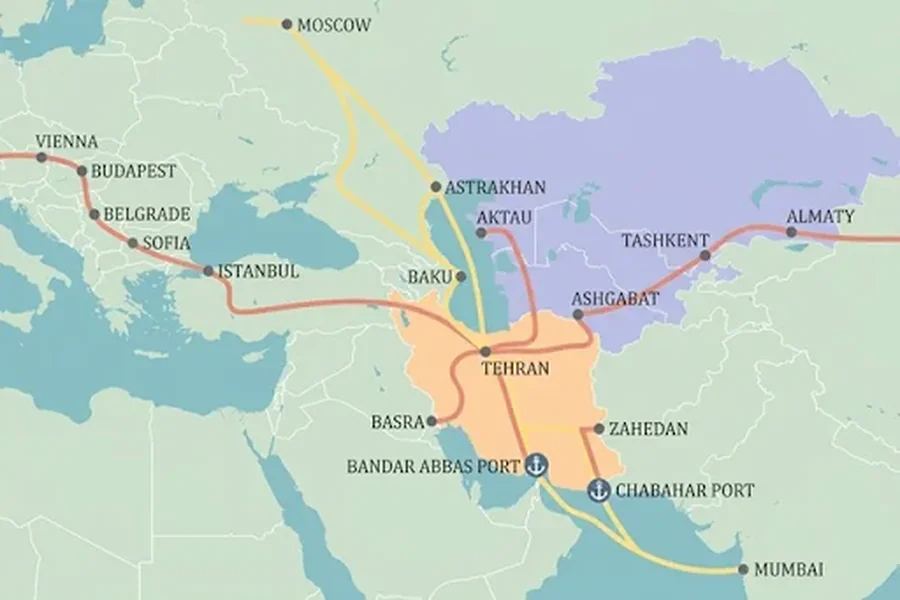
- Diversify origins and routes. Single-corridor sourcing carries more risk than it did two years ago. Overland and Caspian options deserve a place in any contingency plan.
- Separate grades in contracts. Fuel-grade and low-carbon methanol will price differently from standard industrial grade. Contracts should specify purity, packaging and Incoterms precisely.
- Plan cover early. Procurement analysts have urged buyers to secure November and December coverage before further Gulf shipping disruption lifts landed values. The same logic applies to the first quarter.
Buyers in Central Asia, the Caucasus and the Middle East can reach methanol from Iran by land and Caspian routes. Sepehran Chemistry, as an Iranian chemical exporter, can supply bulk industrial methanol with documented specifications and shipping terms. Methanol’s fuel story is likely to unfold slowly, led by regulation, ship deliveries, and the build-out of bunkering. Its price story is unfolding now, driven by supply disruption. Buyers who track both will be better placed than those who watch only one.
