

In homes across the world, insects are more than just a minor nuisance—they can disrupt sleep, contaminate food, and even carry diseases. While chemical sprays and repellents offer temporary relief, a long-term, eco-friendly solution is found in the humble fly screen. Often overlooked, fly screens are a simple yet highly effective way to maintain a clean and comfortable living environment. This article explores the history, types, benefits, installation, and maintenance of fly screens, helping homeowners make informed decisions.
A Brief History of Fly Screens
The concept of fly screens has been around for centuries. Early versions can be traced back to ancient civilizations, where fine cloth or netting was used to cover windows and doors to prevent insects from entering homes. In the 19th century, the invention of mass-produced wire mesh in Europe and North America made fly screens more widely available. These mesh screens were initially made from metals such as copper or brass and later evolved into lighter, more durable materials like aluminum and fiberglass.
Over time, fly screens have become not only functional but also stylish. Modern designs integrate seamlessly with doors and windows, offering homeowners protection without compromising aesthetics. Today, fly screens are considered an essential component of healthy living spaces, particularly in regions where mosquitoes, flies, and other insects are prevalent.
Why Fly Screens Are Important
Insects can be more than just a nuisance. Mosquitoes, flies, and other bugs can pose health risks, including transmitting diseases such as malaria, dengue, and salmonella. Even in areas where serious illnesses are rare, insect bites can cause allergic reactions, skin irritation, and sleep disturbances.
Fly screens create a physical barrier between the interior of a home and the outdoors. Unlike chemical repellents, which may have side effects or need constant reapplication, fly screens offer continuous protection. They allow fresh air to circulate while keeping unwanted pests out, improving indoor air quality without relying on harmful substances.
Types of Fly Screens
Fly screens come in a variety of types to suit different needs, aesthetics, and budgets. Some of the most common types include:
1. Fixed Fly Screens
Fixed fly screens are permanent installations, typically mounted within window frames. They are ideal for homeowners who want a low-maintenance solution. Made from materials such as aluminum or fiberglass mesh, these screens are durable and resistant to rust and corrosion. Fixed screens are best for windows that do not open frequently or for areas where security is less of a concern.
2. Retractable Fly Screens
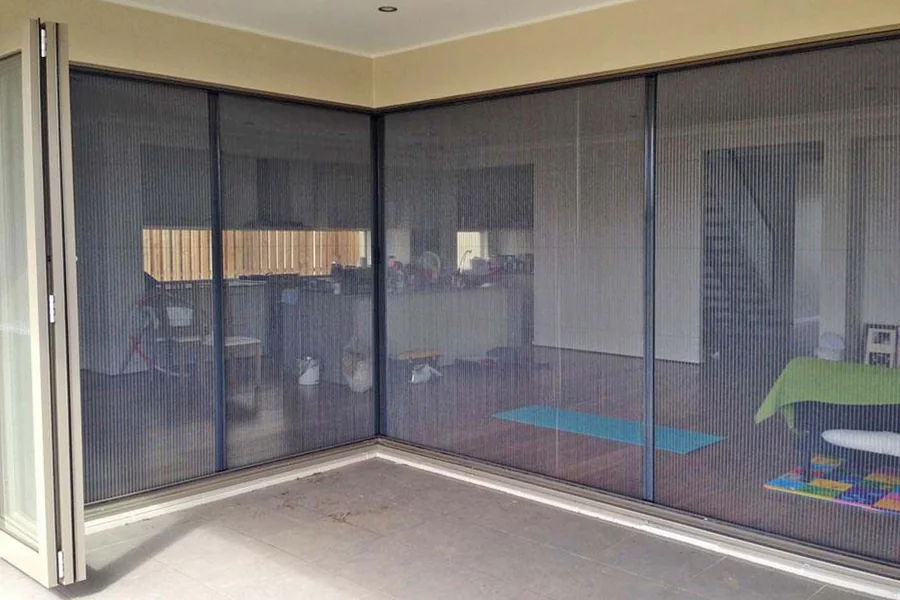
Retractable fly screens are versatile solutions that can be rolled up or hidden when not in use. These screens are popular for doors and large windows because they do not obstruct views when retracted. They are ideal for spaces where aesthetics are important, such as living rooms or patio doors. Retractable screens often use spring-loaded mechanisms or magnetic tracks for smooth operation.
3. Magnetic Fly Screens
Magnetic fly screens are designed for easy installation and removal. They typically consist of a mesh panel with magnetic edges that attach to a metallic frame or tape around the door or window. This type is particularly useful for temporary setups, rental properties, or homes where frequent removal is necessary. Magnetic screens are simple, cost-effective, and require no tools for installation.
4. Pet-Resistant Fly Screens
Homes with pets need durable fly screens that can withstand scratches, bites, and rough handling. Pet-resistant screens are made from stronger materials like reinforced fiberglass or vinyl-coated mesh. These screens allow pets to enjoy open windows and doors safely while preventing insects from entering.
5. Specialty Fly Screens
Some fly screens are designed for specific purposes, such as fine mesh for mosquito-prone areas or solar screens that reduce heat and UV exposure while keeping insects out. Specialty screens can also include anti-pollen or allergy-reducing meshes, making them suitable for individuals with respiratory sensitivities.
Materials Used in Fly Screens
The choice of material affects durability, visibility, airflow, and cost. Common materials include:
- Fiberglass: Lightweight, affordable, and resistant to rust. Fiberglass is one of the most commonly used materials for residential fly screens.
- Aluminum: Durable and resistant to corrosion, aluminum is stronger than fiberglass but can dent or crease under pressure.
- Stainless Steel: Offers the highest durability and security. Stainless steel is ideal for high-traffic areas or windows and doors where additional protection is needed.
- Polyester or PVC-Coated Mesh: Often used in pet-resistant screens, these materials provide flexibility and resilience against scratches.
Benefits of Fly Screens
Installing fly screens offers numerous advantages beyond simply keeping insects out:
- Health Protection
Fly screens prevent disease-carrying insects from entering homes, reducing the risk of illnesses and allergic reactions.
- Improved Comfort
By allowing fresh air to circulate without letting bugs in, fly screens enhance comfort during hot weather and reduce the need for air conditioning.
- Energy Efficiency
With more airflow from open windows, homeowners can rely less on air conditioning, leading to reduced energy consumption and lower electricity bills.
- Environmental Friendliness
Fly screens eliminate the need for chemical insecticides, making them an eco-friendly solution for pest control.
- Enhanced Property Value
High-quality fly screens are a desirable feature for homebuyers, especially in areas prone to mosquitoes and other pests.
- Safety
Screens act as a barrier for small children and pets, preventing accidental falls through open windows.
Installation of Fly Screens
Installing fly screens can be straightforward, depending on the type chosen. Fixed screens typically require precise measurements of window or door frames and may involve drilling or mounting hardware. Retractable and magnetic screens are generally easier to install, often requiring only adhesive tape, magnetic strips, or track systems.
Professional installation is recommended for large or specialty screens, especially for sliding doors, French doors, or custom window sizes. Proper installation ensures that the screen is taut, secure, and free from gaps where insects could enter.
Maintenance and Cleaning
Fly screens are low-maintenance but require periodic cleaning to remain effective and attractive.
- Dust and Debris Removal: Regularly vacuum or brush the screen to remove dust, pollen, and dirt.
- Washing: Use mild soap and water to clean the mesh. Avoid harsh chemicals that can damage the material.
- Inspection: Check for holes, tears, or loose frames and repair them promptly to maintain protection.
- Lubrication: For retractable screens, lubricate moving parts to ensure smooth operation.
With proper care, a fly screen can last for many years, providing continuous protection and comfort.
Choosing the Right Fly Screen
Selecting the appropriate fly screen depends on several factors:
- Location: Consider the climate and types of insects common in your area.
- Window or Door Type: The style and size of the opening determine which screen type is most practical.
- Durability Needs: Pet owners or high-traffic areas may require stronger materials.
- Aesthetic Preferences: Retractable or fine-mesh screens may be preferable for maintaining views and natural light.
- Budget: Prices vary widely based on material, size, and installation complexity.
Future Trends in Fly Screens
Fly screens continue to evolve with technology and lifestyle needs. Smart screens with automatic retractable systems are becoming more popular, allowing homeowners to control screens via remote or mobile apps. Advanced materials that block UV rays, pollen, and pollutants while remaining invisible to the eye are also gaining traction. As energy efficiency and sustainability become more important, fly screens are likely to play a larger role in eco-conscious building designs.
Conclusion
Fly screens are a practical, cost-effective, and environmentally friendly way to protect homes from insects while enhancing comfort and air quality. From traditional fixed screens to modern retractable and pet-resistant designs, there is a solution for every type of window and door. By understanding the different types, materials, and benefits of fly screens, homeowners can make informed choices that improve their living environment, health, and overall quality of life.
Investing in high-quality fly screens is more than just a home improvement—it’s a step toward a safer, cleaner, and more comfortable home. With proper selection, installation, and maintenance, fly screens can provide decades of reliable protection against pests, making them an essential feature of modern living.
