

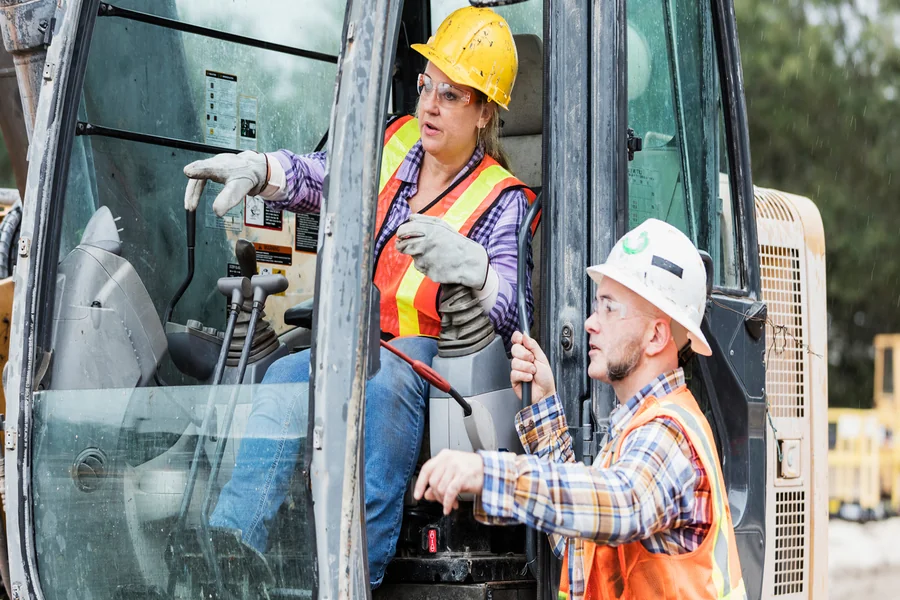
Construction projects are among the most complex undertakings in modern industry. They require careful coordination of labor, materials, equipment, and time to ensure that projects are completed on schedule, within budget, and to the desired quality standards. The organization of work on construction sites plays a critical role in achieving these objectives. Effective site management not only optimizes productivity but also enhances safety, reduces waste, and fosters smoother collaboration among stakeholders.
Importance of Construction Site Work Organization
A well-organized construction site ensures that every task is carried out efficiently, with minimal disruption and delay. The benefits of proper site organization include:
- Improved Safety: Construction sites are inherently hazardous. Clear organization reduces the risk of accidents by establishing designated areas for equipment, materials, and workers.
- Enhanced Productivity: Workers can perform tasks more efficiently when they know exactly where to go and what to do.
- Better Resource Management: Proper planning ensures that materials and equipment are available when needed, reducing idle time.
- Time and Cost Savings: Organized workflows prevent delays, minimize rework, and help keep the project within budget.
- Compliance with Regulations: Well-structured sites make it easier to meet legal requirements and industry standards.
Key Components of Work Organization on Construction Sites
Effective organization on construction sites involves several interrelated components. These include site layout, scheduling, workforce management, materials handling, and communication.
1. Site Layout and Planning
The site layout is the blueprint for organization. It involves determining the locations of various facilities and operational zones to optimize workflow. Key considerations include:
- Access and Egress: Ensuring safe and efficient entry and exit points for vehicles and personnel.
- Storage Areas: Allocating space for materials, equipment, and tools. Materials should be stored close to the area of use to reduce transportation time.
- Work Zones: Dividing the site into zones based on activities such as excavation, concrete pouring, or finishing work. This prevents interference between different trades.
- Safety Zones: Marking areas for first aid, fire extinguishers, and emergency exits.
Proper site layout requires collaboration between project managers, engineers, and safety officers. Digital tools, such as Building Information Modeling (BIM), are increasingly used to simulate site layouts and identify potential conflicts before construction begins.
2. Scheduling and Task Sequencing
Scheduling is essential for ensuring that construction activities progress smoothly. Work on a construction site is typically organized in a sequential manner, but certain tasks may overlap depending on dependencies and resource availability. Effective scheduling involves:
- Critical Path Method (CPM): Identifying the sequence of tasks that determines the project duration. Focusing on the critical path helps managers prioritize resources.
- Gantt Charts: Visual tools for tracking task timelines, showing which tasks run concurrently and when deadlines are due.
- Shift Planning: Organizing work shifts to optimize productivity while avoiding fatigue among workers.
Proper scheduling reduces idle time, prevents bottlenecks, and allows for timely adjustments in case of delays or unforeseen issues.
3. Workforce Management
The workforce is the backbone of any construction project. Organizing labor effectively involves:
- Role Definition: Clearly defining roles and responsibilities for all workers, supervisors, and subcontractors.
- Team Coordination: Using foremen or site managers to ensure teams work in harmony, especially when multiple trades are involved.
- Training and Orientation: Ensuring workers are trained in safety protocols, equipment use, and quality standards.
- Performance Monitoring: Supervisors should track progress, identify inefficiencies, and provide feedback to maintain productivity.
Labor organization must also consider worker welfare, including proper rest areas, sanitation facilities, and access to medical support.
4. Materials Handling and Logistics
Materials management is critical for maintaining workflow continuity. Delays in material delivery can halt construction activities, while poor storage can lead to damage or loss. Key strategies include:
- Just-in-Time Delivery: Coordinating deliveries so materials arrive as needed, reducing storage space requirements.
- Inventory Management: Keeping accurate records of material quantities to avoid shortages or excess.
- Safe Handling: Using mechanical equipment, such as cranes or forklifts, to move heavy materials, and ensuring that manual handling follows safety standards. Reliable forklift hire can also ensure that material transportation on-site is efficient and safe.
- Segregation and Labeling: Organizing materials by type, size, and project phase to facilitate easy access.
5. Communication and Documentation
Clear communication is vital for site organization. Miscommunication can lead to errors, duplication of work, and safety hazards. Best practices include:
- Daily Briefings: Short meetings at the start of each shift to outline tasks, safety measures, and priorities.
- Digital Communication Tools: Using mobile apps or project management software to share updates, drawings, and schedules in real time.
- Documentation: Maintaining accurate records of inspections, deliveries, incidents, and progress reports ensures accountability and aids future planning.
6. Safety and Quality Management
An organized site must prioritize both safety and quality. Safety measures include proper signage, personal protective equipment (PPE), and routine inspections. Quality management involves:
- Checklists and Standards: Establishing procedures for each activity, such as concrete curing or welding, to ensure consistent quality.
- Inspections: Regularly monitoring work to identify defects early and prevent rework.
- Feedback Loops: Encouraging workers to report issues and suggest improvements.
Integrating safety and quality management into daily operations ensures the construction site functions smoothly while protecting workers and meeting project specifications.
7. Technology Integration
Modern construction sites increasingly rely on technology to improve organization. Examples include:
- BIM (Building Information Modeling): Allows visualization of project components and identification of clashes in advance.
- Drones: Used for site surveys, progress tracking, and safety inspections.
- Project Management Software: Helps coordinate tasks, schedules, resources, and budgets in one platform.
Technology enhances decision-making, reduces errors, and improves communication among teams.
Challenges in Construction Site Organization
Despite best efforts, construction site organization faces several challenges:
- Unpredictable Conditions: Weather, supply chain disruptions, and unforeseen site conditions can affect schedules.
- Coordination of Multiple Trades: Different contractors may have conflicting schedules or requirements.
- Labor Turnover: Frequent changes in workforce can disrupt workflow and require repeated training.
- Compliance Requirements: Meeting regulatory standards for safety and environment can be complex.
Overcoming these challenges requires proactive planning, flexibility, and strong leadership.
Conclusion
Construction site work organization is a multifaceted process that demands careful planning, coordination, and continuous monitoring. From site layout and scheduling to workforce management and safety, each aspect plays a crucial role in ensuring that projects are completed efficiently, safely, and to the desired quality. Modern technologies, such as BIM and digital project management tools, are transforming how sites are organized, enabling greater efficiency and reducing risks. Ultimately, successful site organization is about creating an environment where workers, materials, and equipment interact seamlessly to deliver projects on time and within budget.
A well-organized construction site is not just a sign of operational efficiency—it is a foundation for safety, productivity, and long-term success. By investing time and resources into planning and organizing work, construction companies can achieve better outcomes, satisfy clients, and foster a culture of professionalism and safety.
