

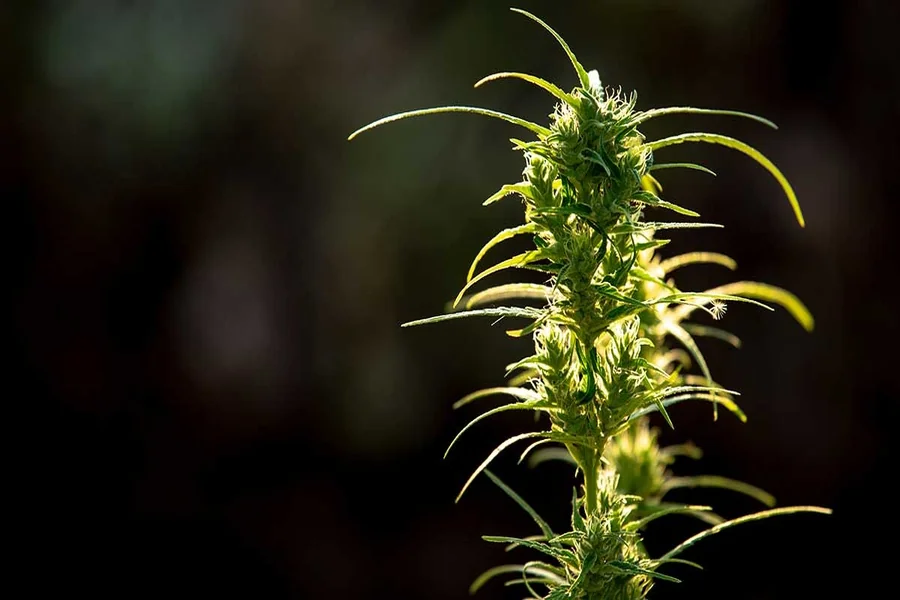
THCA flower refers to raw cannabis flower that is high in tetrahydrocannabinolic acid (THCA), a naturally occurring compound found in the cannabis plant. THCA is the acidic precursor to THC, one of the most well-known cannabinoids. In its natural state, THCA does not produce intoxicating effects, which makes it an important topic in discussions about cannabis chemistry, plant science, and regulation.
As interest in cannabinoids continues to grow, THCA flower has gained attention for its unique properties and role within the cannabis plant.
What Is THCA?
THCA stands for tetrahydrocannabinolic acid. It is the dominant cannabinoid present in freshly harvested and unprocessed cannabis plants. Unlike THC, THCA is not psychoactive in its raw form. This is because its molecular structure prevents it from effectively binding to certain receptors in the human body that are associated with intoxication.
Over time, or when exposed to heat, THCA can convert into THC through a process called decarboxylation. This chemical transformation changes how the compound behaves, which is why THCA and THC are considered closely related but distinct substances.
What Is THCA Flower?
THCA flower is cannabis flower that has been cultivated, harvested, and handled in a way that preserves high levels of THCA while minimizing conversion to THC. This typically involves careful control of temperature, light, and processing methods.
From a botanical perspective, THCA flower looks similar to other cannabis flowers. It contains trichomes—tiny, crystal-like structures on the surface of the plant—that house cannabinoids, terpenes, and other plant compounds.
THCA vs. THC: Key Differences
Although THCA and THC are chemically related, they differ in important ways:
- Psychoactivity: THCA is non-intoxicating in its raw form, while THC is intoxicating.
- Chemical structure: THCA contains an extra carboxyl group that THC does not.
- Natural state: THCA is found naturally in fresh cannabis plants, whereas THC forms after heat or aging.
Understanding these differences is essential when discussing THCA flower, as the presence or absence of heat significantly affects cannabinoid composition.
The Role of THCA in the Cannabis Plant
THCA plays a vital role in the natural lifecycle of the cannabis plant. It is produced within the trichomes as the plant matures and is part of the plant’s chemical defense system. Along with other cannabinoids and terpenes, THCA contributes to the plant’s overall profile.
Researchers continue to study THCA to better understand its interactions at the molecular level and how it differs from other cannabinoids.
Legal and Regulatory Considerations
The legal status of THCA flower can vary depending on location and regulatory definitions. In some regions, cannabis products are regulated based on their THC content rather than THCA levels. Because THCA is not intoxicating on its own, it has become part of broader legal and scientific discussions around cannabis classification.
It is important to note that laws and regulations can change and may differ significantly by country, state, or local jurisdiction. Understanding legal definitions and scientific distinctions remains an ongoing area of policy development.
Scientific Interest in THCA
THCA has become a subject of growing scientific interest. Researchers study it to understand cannabinoid biosynthesis, plant chemistry, and potential interactions within biological systems. Much of the current research focuses on laboratory analysis rather than real-world applications, and studies are still ongoing.
Because THCA behaves differently from THC, it provides researchers with insight into how small chemical changes can result in different biological effects.
Terpenes and THCA Flower
Like other cannabis flowers, THCA flower contains terpenes, which are aromatic compounds responsible for the plant’s scent and flavor profile. Terpenes such as myrcene, limonene, and pinene occur naturally in many plants and contribute to the overall chemical complexity of the flower.
From a scientific standpoint, terpenes help define the plant’s characteristics and are often studied alongside cannabinoids to better understand plant chemistry.
The Importance of Lab Testing
Laboratory testing is essential when analyzing THCA flower. Accurate testing helps determine cannabinoid levels, terpene profiles, and overall plant composition. Lab results also support transparency, research accuracy, and regulatory compliance.
Testing ensures that cannabinoid data reflects the plant’s actual chemical makeup rather than assumptions based on appearance or strain name.
Conclusion
THCA flower represents an important area of cannabis science, offering insight into how cannabinoids naturally exist within the plant and how chemical transformations occur over time. As a non-intoxicating cannabinoid in its raw form, THCA highlights the complexity of cannabis beyond commonly known compounds.
Understanding THCA flower requires a focus on plant biology, chemistry, and regulation rather than usage. As research and policy continue to evolve, THCA remains a key topic in discussions about cannabinoids and the future of cannabis science.
